Going Viral Is the Easy Part. Being Ready Is the Hard Part.

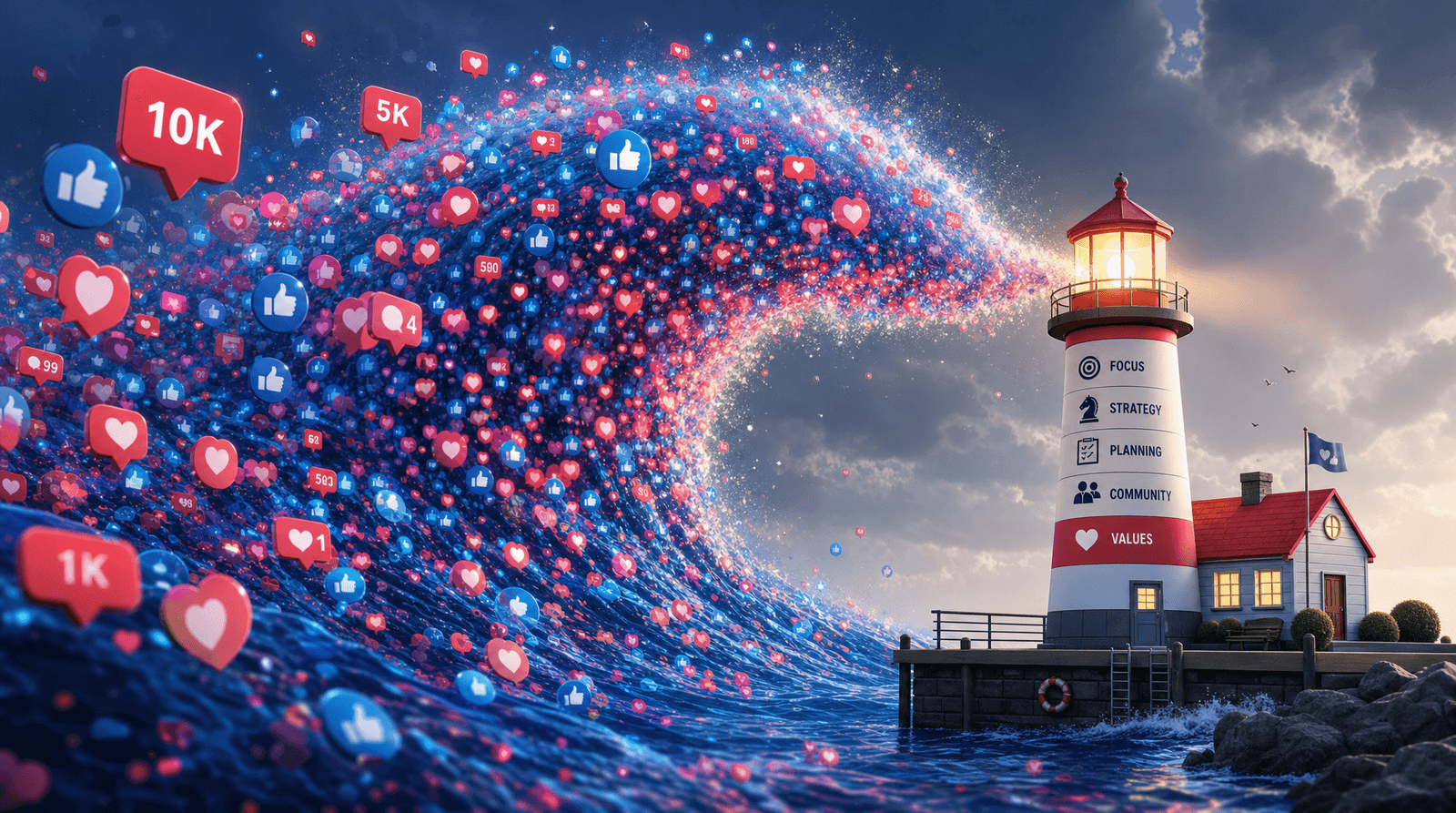
There is a video you have watched a hundred times without realizing it. A creator posts something. It takes off. Three million views in a weekend. The comments fill up with "where do I buy this," "drop the link," "what's your newsletter." And then nothing happens.
Not because the creator is lazy. Because they were not ready. The link in their bio still pointed to a half-finished page from eight months ago. The product they mentioned was "coming soon." The newsletter did not exist yet. By the time they scrambled to fix it, the wave had already moved on to someone else.
Here is the uncomfortable truth nobody puts in the "how to go viral" guides: going viral is the easy part. The algorithm hands out reach like candy, and it hands it to people who did not earn it and were not ready for it constantly. Being ready for the spike, having somewhere worth sending all that attention, is the part that actually separates the creators who build something from the ones who collect screenshots of their best week and wonder why it never turned into anything.
The spike is a gift with an expiration date
A viral moment is not a reward for being good. It is a loan. The platform lends you a flood of strangers for somewhere between 24 and 72 hours, and then it asks for the attention back so it can lend it to the next person.
During that window, you have more leverage than you will have for the rest of the quarter. People are actively looking for a reason to stick around. They are clicking your profile. They are tapping the one link you are allowed to have. They have decided, in the loosest possible sense, that you might be worth following.
And what most of them find when they arrive is a dead end.
This is the quiet tragedy of the creator economy. We have collectively gotten extremely good at the top of the funnel and stayed weirdly bad at the bottom of it. We obsess over hooks, retention curves, posting times, and trending audio. We treat the destination, the place all of that effort is supposed to lead, as an afterthought. We covered this from a different angle in why the best time to post is mostly a myth: the input you can actually control is rarely the one everyone fixates on. The same logic applies here. You cannot reliably control whether you go viral. You can completely control whether you are ready when you do.
That bucket is most creators during their best week. The water is pouring in faster than it ever has. And it is running straight out the bottom because nothing was built to hold it.
What "ready" actually means
Ready does not mean you have a perfect brand, a product line, and a content calendar booked through next year. Ready is much smaller and much more achievable than that. It means that when a stranger taps your link in the middle of a viral moment, three things happen in the first five seconds:
- They understand who you are and what you offer.
- They can take the single most valuable action you want them to take.
- They have a reason to come back even after the algorithm forgets you.
That is it. Most pages fail all three. They open to a wall of fourteen identical buttons, no hierarchy, no story, and no clear next step. The visitor's brain does the only sensible thing it can do with that much ambiguity: it leaves.
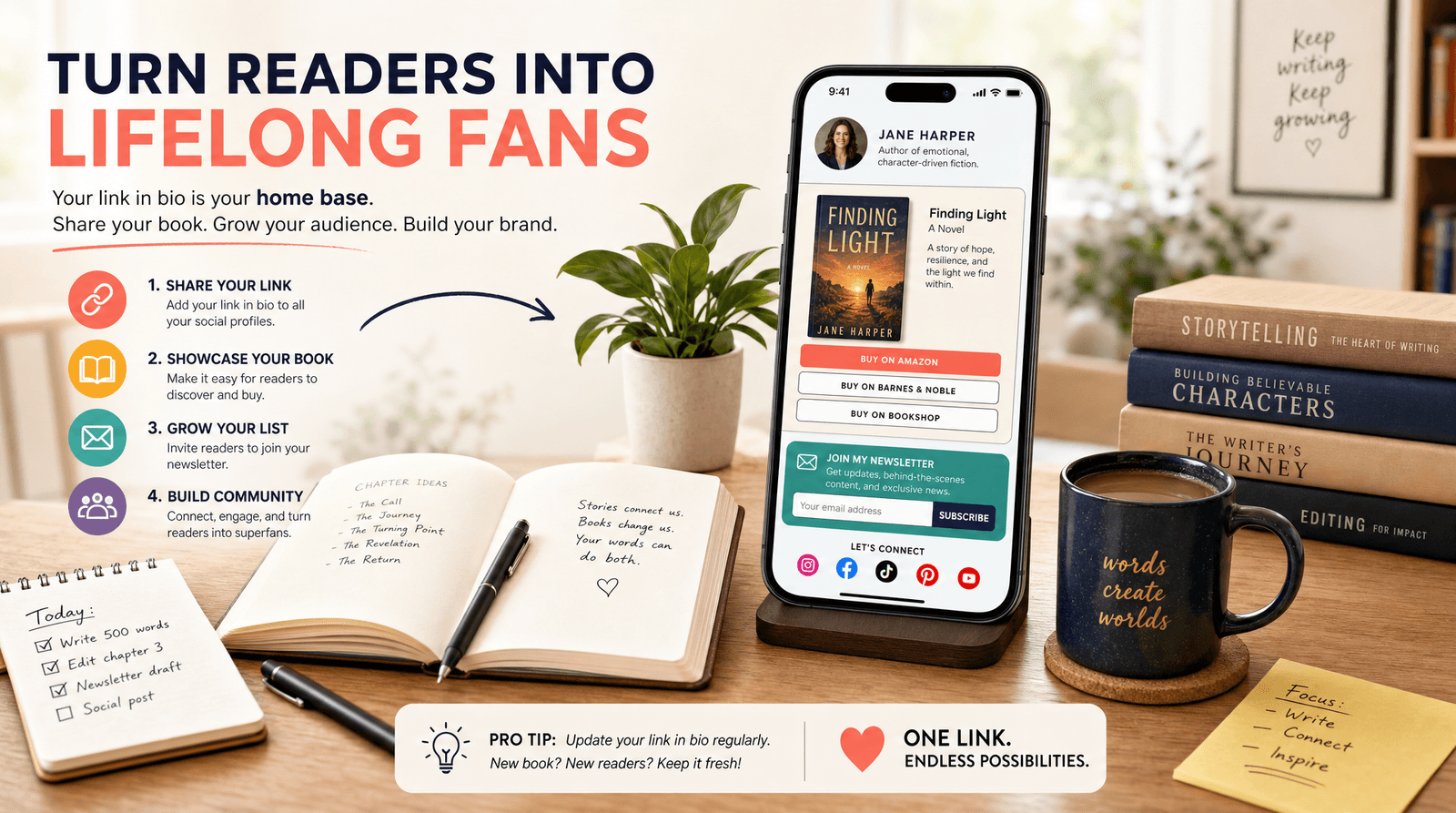
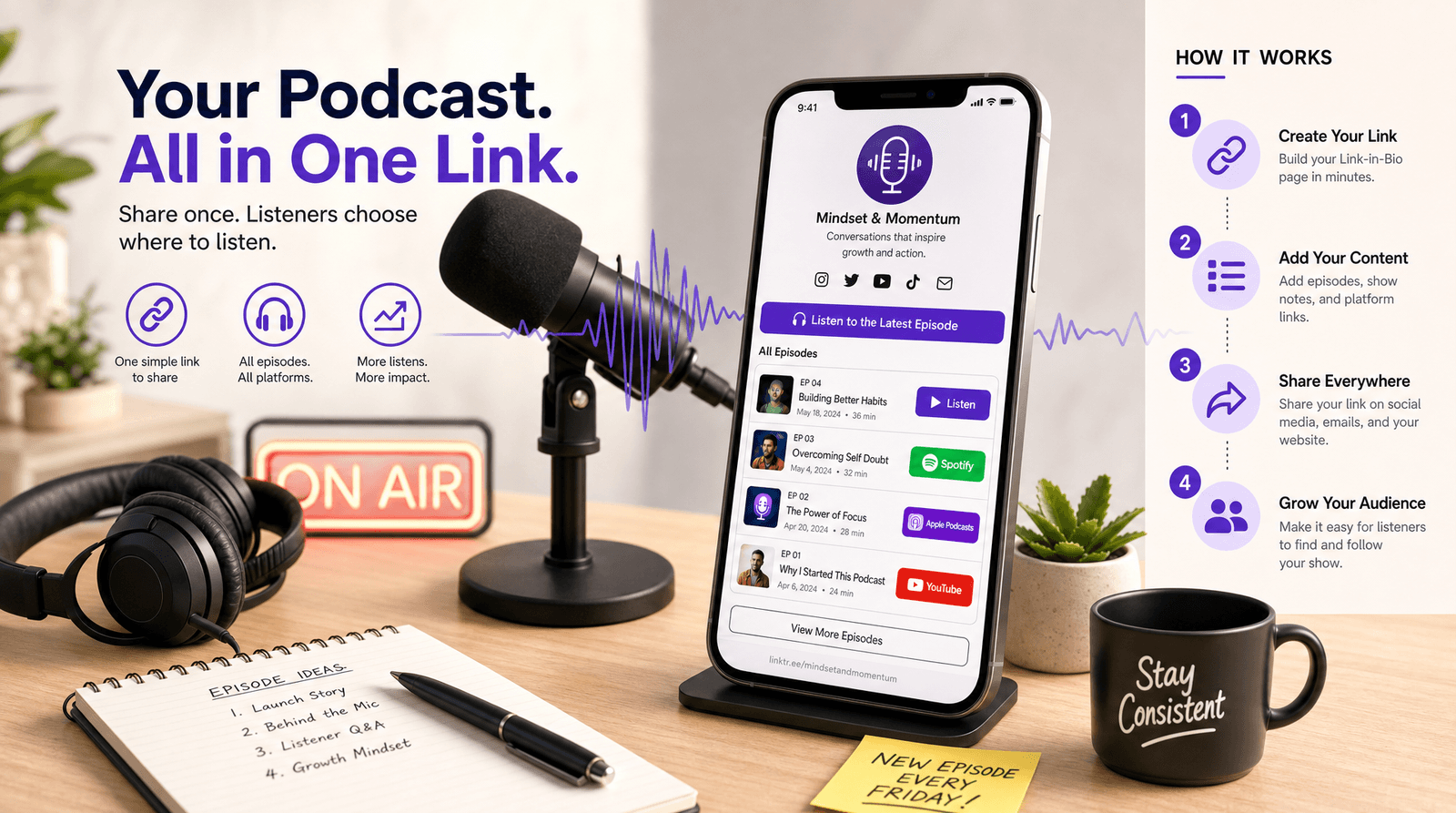
The fix is not more links. It is a destination that behaves like it was expecting company. This is exactly what a Liinks page is built to be: not a list of every URL you have ever owned, but a curated landing spot where the most important thing is the most obvious thing.
Lead with the one thing, not the everything
When traffic spikes, your instinct is to give people options. Fight it. A viral visitor is not browsing; they are deciding. Put the single highest-value action at the very top: the product, the waitlist, the newsletter, the booking link, whatever actually moves your business forward. Everything else can live below it.
The order genuinely matters more than people think. Attention decays as the visitor scrolls, and the math of where people tap is not intuitive. We broke down the actual click curve in how to order your link-in-bio buttons, and the short version is this: the spot at the top of your page during a viral week is the most valuable real estate you will own all year. Do not waste it on "my other socials."
Capture something you get to keep
Views are rented. Followers are rented. The platform can change the rules tomorrow and your reach evaporates. The only audience you truly own is the one you can contact directly without asking an algorithm for permission.
So the single most important thing a viral spike should do is convert a sliver of borrowed attention into something permanent: an email, a phone number, a follow somewhere you control the relationship. Even a two percent capture rate on a viral weekend can mean thousands of people you can reach again on purpose. Everyone else who watched, liked, and scrolled on is gone, and you will never be able to find them again.
This is the difference between a creator who goes viral once and disappears and one who goes viral once and uses it as a launchpad. One filled the bucket and watched it drain. The other plugged the holes first.
The trap of optimizing only for the spike
There is a deeper problem hiding underneath all of this, and it is worth naming directly: chasing virality as the goal is a losing strategy, because virality is not a strategy. It is weather. You can prepare for it, you can make yourself more likely to catch it, but you cannot summon it on command, and building your entire plan around it is like building a business around hoping it rains.
The creators who win long-term are not the ones who go viral the most. They are the ones who convert ordinary attention the best, every single day, viral or not. A page that is genuinely ready for a three-million-view spike is also a page that quietly converts the forty people who find you on a normal Tuesday. The work you do to prepare for the flood is the same work that compounds during the drought.
We made this case in turning viral content into evergreen clicks: the goal is not to chase the next trend, it is to build a destination that keeps working long after the trend is dead. A viral moment should feed a machine you already have running, not be the machine itself.
And here is the part most people miss entirely: you usually cannot see where the real value came from. The follower who finally bought something six months later, the brand that slid into your DMs because they kept seeing your name, the newsletter subscriber who became your best customer. Almost none of that shows up in the view count of the post that started it. As we argued in your best marketing is happening where you can't see it, the visible metric and the valuable outcome are rarely the same thing. The spike is loud. The compounding is silent. Build for the silent part.
A simple readiness checklist
You do not need a redesign. You need a page that can survive a good week. Before your next post has a chance to take off, walk through this:
- Does the top of your page answer "who are you and why should I care" in one glance? If a stranger has to read three buttons to figure out what you do, the page is not ready.
- Is there exactly one obvious primary action? Not five competing ones. One.
- Are you capturing contact info somewhere? A newsletter signup, a waitlist, anything that turns a visitor into someone you can reach again.
- Do your most important links actually work right now? Not "after I update them this weekend." Right now. Viral does not schedule itself around your to-do list.
- Can you tell what people clicked? If your page has no analytics, you are flying blind through your most important week. A Liinks page tracks taps so you can see what the wave actually wanted and double down on it next time.
- Does it look like you, instantly? A page that matches your content builds trust in the half-second before someone decides to stay. Generic equals forgettable.
If you can check every box, congratulations: you are in the rare minority who will actually benefit when the algorithm decides to be generous.
TL;DR
- Going viral is the easy part. The algorithm hands out reach constantly, often to people who were not ready for it. The hard part is having somewhere worth sending the attention.
- A viral spike is a loan, not a reward. You get 24 to 72 hours of borrowed strangers, then the platform takes the attention back. What you build during that window is what you keep.
- Most pages fail the five-second test. A wall of identical buttons with no hierarchy and no clear action sends visitors straight back out the door.
- Lead with one thing, capture something permanent. Put your single highest-value action at the top, and convert a sliver of rented attention into an audience you actually own.
- Stop optimizing only for the spike. A page ready for three million views is also a page that converts the forty people who find you on a quiet Tuesday. That daily conversion is what compounds.
Make your page ready before you need it
The worst time to discover your link in bio is a dead end is the moment ten thousand new people are tapping it. The best time to fix it is a slow week when nobody is watching, which, conveniently, is probably right now.
Liinks gives you a single, fast, beautiful page where the most important thing is the most obvious thing: customizable sections to lead with your best offer, built-in ways to capture an audience you own, and analytics that tell you what the wave actually wanted. Build the destination first. Then go chase the spike, knowing that this time, when it comes, you will be ready to keep what it brings.
Set up your Liinks page today, and turn your next viral moment into something that outlasts the weekend.