The Best Time to Post Is a Myth (Here's What Actually Decides Whether People Click)

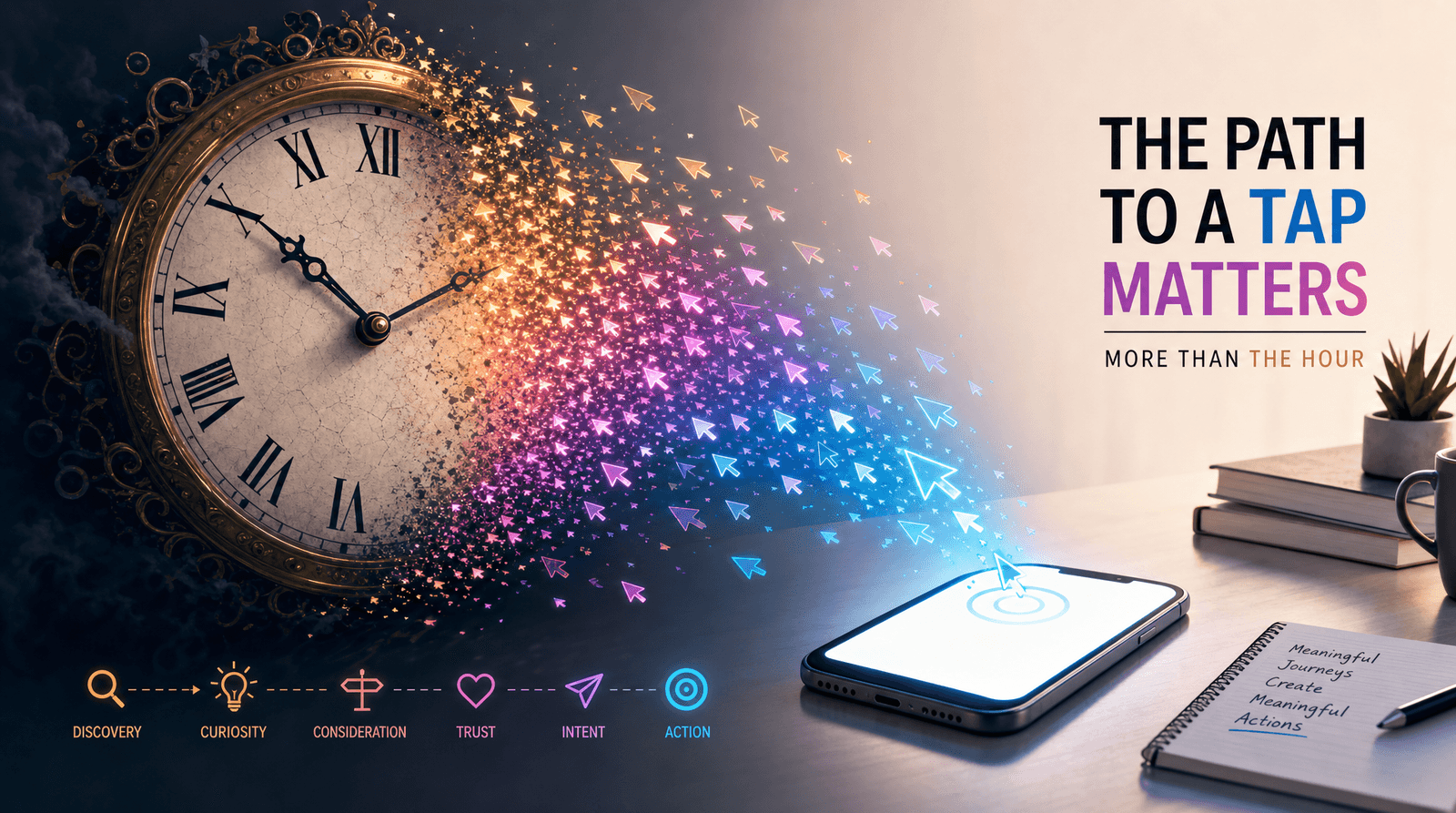
Somewhere on your phone right now is a notification telling you the best time to post is Tuesday at 11:47 a.m. Or Thursday at 7 p.m. Or whenever your "audience activity" graph peaks, according to an app that has known you for three weeks.
You've rescheduled posts around these numbers. You've felt a small pang of guilt for publishing at the "wrong" time. You've maybe even paid for a tool whose entire pitch is that it knows the secret hour better than you do.
Here's the uncomfortable truth: the best time to post is a myth. Not because timing never matters at all, but because it matters so little compared to the things you're ignoring while you obsess over it. The hour you publish is the marketing equivalent of rearranging the deck chairs. Meanwhile, the actual ship, the thing that decides whether attention turns into anything, is sitting one tap away and almost nobody is looking at it.
Let's talk about where your attention should actually go.
Why the "best time to post" advice keeps failing you
The "best time to post" industry survives on a clever trick: it gives you something measurable to optimize so you don't have to confront the things that are hard to measure.
Timing feels scientific. There's a graph. There's a peak. There's a clear action: move the post, hit the higher number. It scratches the same itch as a productivity app. You did a thing, the dashboard rewarded you, and you got to feel like you were being strategic.
But think about what the "optimal time" advice is actually claiming. It assumes your followers all live in one timezone. It assumes they check the app in a synchronized wave. It assumes the algorithm serves your post chronologically rather than spreading it out over hours or days based on early engagement. Every one of those assumptions has been false for years.
Modern feeds are not chronological. Instagram, TikTok, LinkedIn, and the rest decide who sees your post based on how the first viewers respond, not on the clock. A genuinely good post published at "the wrong time" gets picked up and redistributed. A forgettable post published at the "perfect time" sinks at 11:47 a.m. just as quietly as it would have at midnight.
So the spreadsheet was never the lever. The post was. And more importantly, what the post points to was.
The metric nobody puts on a graph
Here is the question that actually decides your results, and it has nothing to do with what time it is: when someone finally cares enough to act, can they?
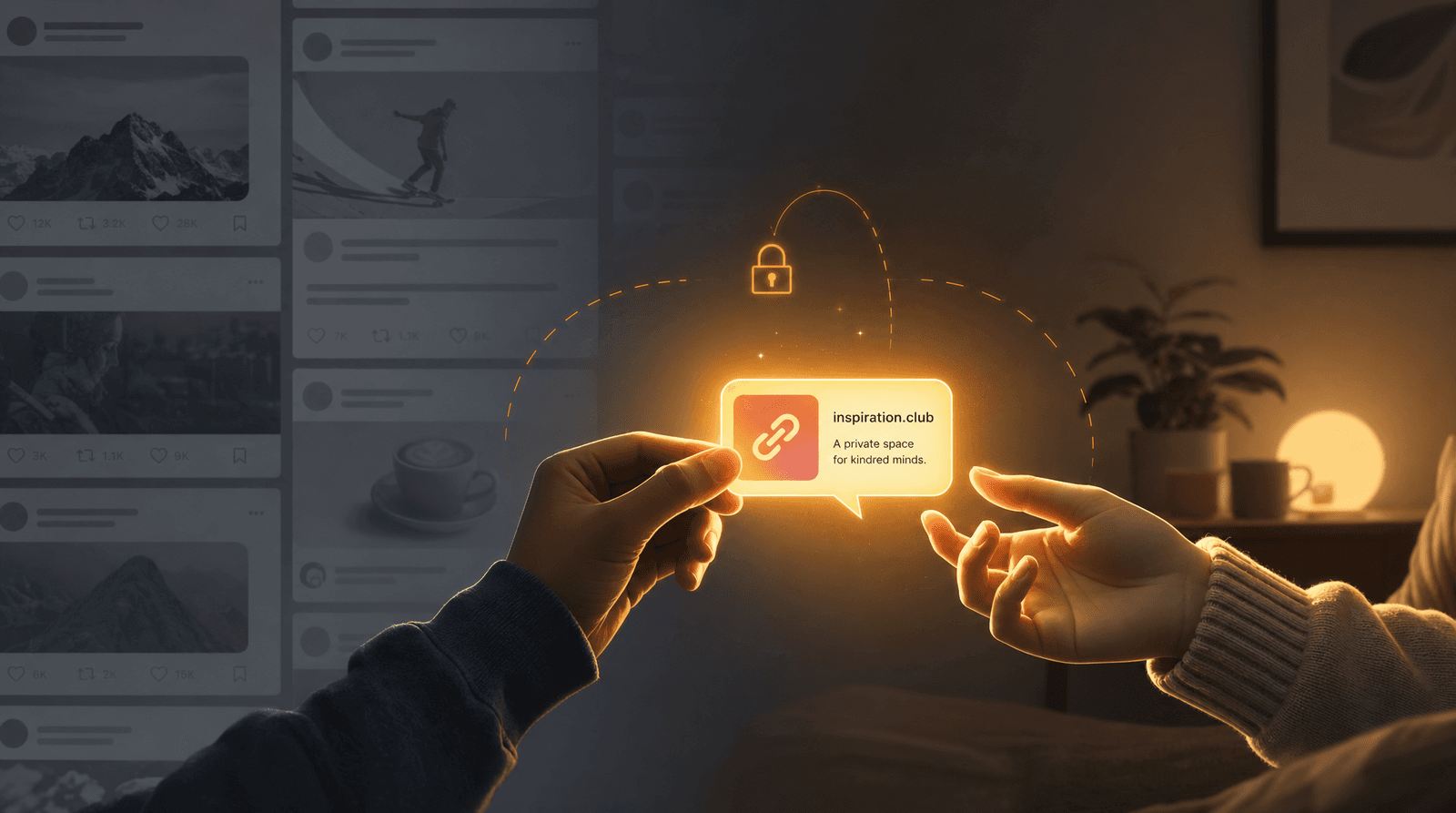
Picture the whole chain. Someone scrolls past your content. Something lands. They feel a flicker of intent: I want that, I want to learn more, I want to buy, I want to follow along somewhere that isn't this chaotic feed. That flicker is the entire ballgame. It is rare, it is fragile, and it lasts about four seconds.
What happens in those four seconds? They go looking for the door. On most platforms, that door is the link in your bio. They tap your profile, they tap the link, and they land on... what?
This is the moment that decides everything, and it is the exact moment the "best time to post" crowd never talks about. Because if your link in bio dumps them onto a cluttered page with eleven options, a three-month-old launch banner, and no obvious answer to "what now?", the intent evaporates. You earned the click. You lost the conversion. And no posting schedule on earth was going to save you.
I've written before about why nobody actually remembers your link in bio, and that's the point: people don't remember it, they use it, in a hurry, with a specific job in mind. The page is not a monument to everything you've ever done. It's a hallway with one well-lit door for the thing they came for.
If you spent half the energy you currently spend on posting times on making that hallway obvious, your numbers would move more than any scheduling tweak has ever moved them.
What "timing obsession" is really costing you
Every hour you spend chasing the perfect post time is an hour you didn't spend on the things that compound. Let's name them, because they're the real work.
1. The hook is everything; the clock is nothing
The first line of your caption, the first second of your video, the first frame of your thumbnail. These decide whether the algorithm even gives you the audience whose "active hours" you were so worried about. A scroll-stopping hook published Sunday at 2 a.m. will out-reach a limp one published at your "peak" every single time, because early engagement is the signal the feed actually responds to. You don't beat the algorithm by guessing its clock. You beat it by giving it something worth distributing.
2. The destination decides the conversion
Two creators post the identical reel at the identical "optimal" time. One sends clicks to a tidy page with a single clear call to action at the top. The other sends them to a wall of links with no hierarchy. Same reach, same timing, wildly different outcomes. The variable wasn't the clock. It was the page. This is why I keep coming back to the idea that you don't need more reach, you need better clicks: the leverage is downstream of the post, not upstream of it.
3. The order of your links is a strategy, not an afterthought
Where something sits on your page is a decision about what you want people to do, and it has measurable consequences. The top slot gets the overwhelming majority of taps; everything below the fold fights for scraps. If your most important link, the one tied to revenue or to whatever your current goal is, isn't sitting at the top, you are leaking intent on purpose. (There's real click-curve math behind how you order your buttons, and it dwarfs the difference between posting at 9 a.m. versus noon.)
4. The follow-up that timing can't buy
A post is a one-time event. A destination that captures intent, an email signup, a "notify me," a saved profile, is an asset that keeps working. The creators who win in 2026 aren't the ones who cracked the posting schedule. They're the ones who treat every click as a chance to start a relationship instead of end a transaction.
None of these four levers care what time it is. All four of them matter more than the thing you've been optimizing.
The reframe: stop optimizing the post, start optimizing the path
Here's the mental model I want you to steal. Your content is not the product. Your content is an ad for the next tap. Its only job is to earn the click. Everything that decides what that click is worth happens after the post, on the page you send people to.
This is the whole philosophy behind why zero-click content can be your best marketing: the people who do click are pre-qualified, high-intent, and worth ten times a passive impression, but only if the place they land is built to receive them. A great destination turns a small number of clicks into outsized results. A bad one wastes a flood of them.
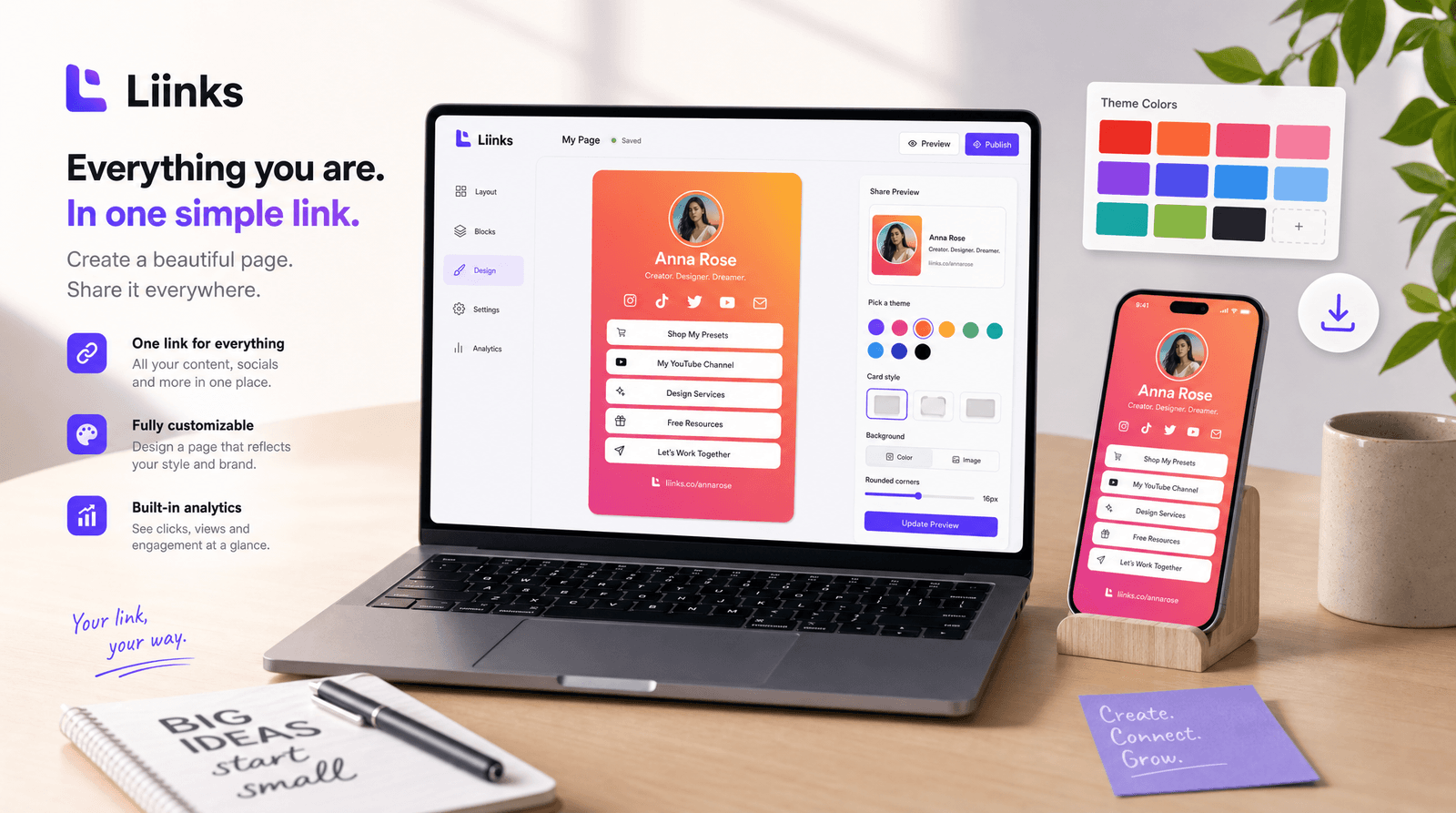
So flip your priorities. Spend less time staring at activity graphs and more time on the page that catches the people those posts send your way. With Liinks, that means a few specific moves:
- Lead with one clear action. Your page should answer "what now?" in the first second. Put the single most important link at the top and let it breathe. If everything is emphasized, nothing is.
- Match the page to the post. Promoting a launch this week? The launch should be the first thing people see when they tap through, not buried under your evergreen links. Swapping your top link to match what you're currently posting about takes thirty seconds and beats any scheduling trick.
- Use sections and visual hierarchy. A page with clear groupings reads in a glance. A page that's one long undifferentiated list makes people work, and people who have to work, leave.
- Watch the analytics that matter. Not "when are my followers online," but "which links actually get tapped, and which get ignored." Your Liinks analytics tell you what your audience does once they arrive, which is the only behavior you can truly act on. Move the ignored links down. Double down on what gets tapped.
- Make the next step frictionless. Every extra tap, every confusing label, every dead end is a place where intent dies. The shorter the path from "I want this" to "I have this," the more of those rare four-second windows you'll actually convert.
Do this, and a funny thing happens. The posting time you agonized over becomes a rounding error. Because now, whenever someone clicks, regardless of the hour, they hit a page that knows exactly what to do with them.
TL;DR
- The "best time to post" is a myth built to sell you a measurable thing to optimize so you don't have to do the harder work. Feeds aren't chronological; early engagement, not the clock, decides reach.
- The real lever is what happens after the tap. Intent lasts about four seconds. Whether you convert it depends entirely on the page you send people to, not the minute you published.
- Four things matter more than timing: a scroll-stopping hook, a focused destination, the order of your links, and a follow-up that captures the relationship.
- Reframe your content as an ad for the next tap. Optimize the path, not the post. Lead with one clear action, match your page to what you're promoting, and watch the analytics that describe behavior you can actually change.
- Stop rescheduling. Start redesigning the place your clicks land.
Build the destination, not the schedule
If you've been treating your posting calendar like a control panel, here's your permission slip to stop. The dial that actually moves your results isn't the clock. It's the page.
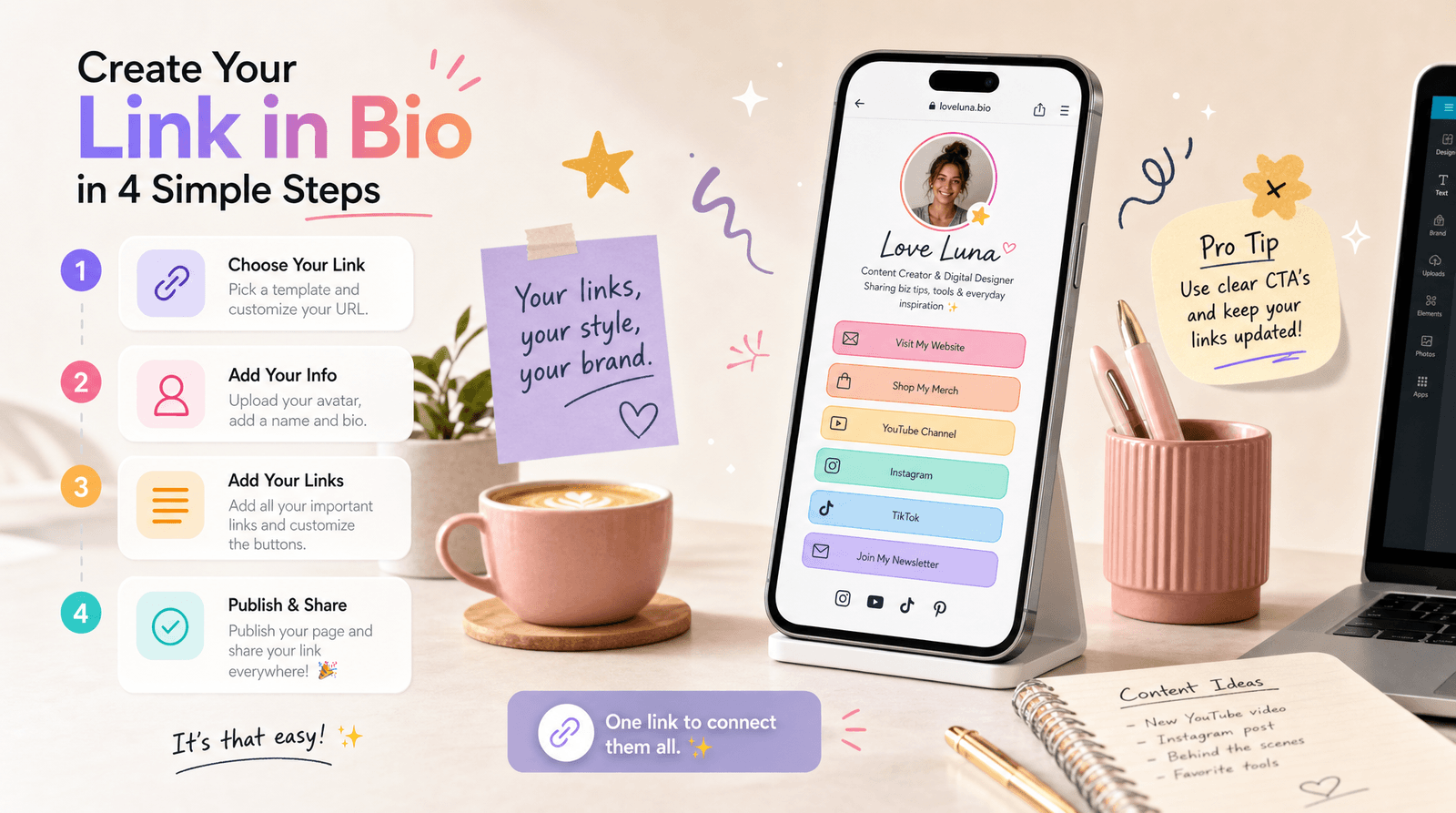
Your link in bio is the one piece of real estate you fully control, the place every platform funnels your hard-won attention. Make it count. With Liinks you can build a fast, focused, on-brand page in minutes, lead with a single clear call to action, reorder your links based on what people actually tap, and see the analytics that tell you what's working. No "optimal hour" required.
Create your free Liinks page and give your next click somewhere worth landing. Post whenever you want. Just make sure the door is open when they arrive.