Your Followers Already Think You're a Business. Why Don't You?
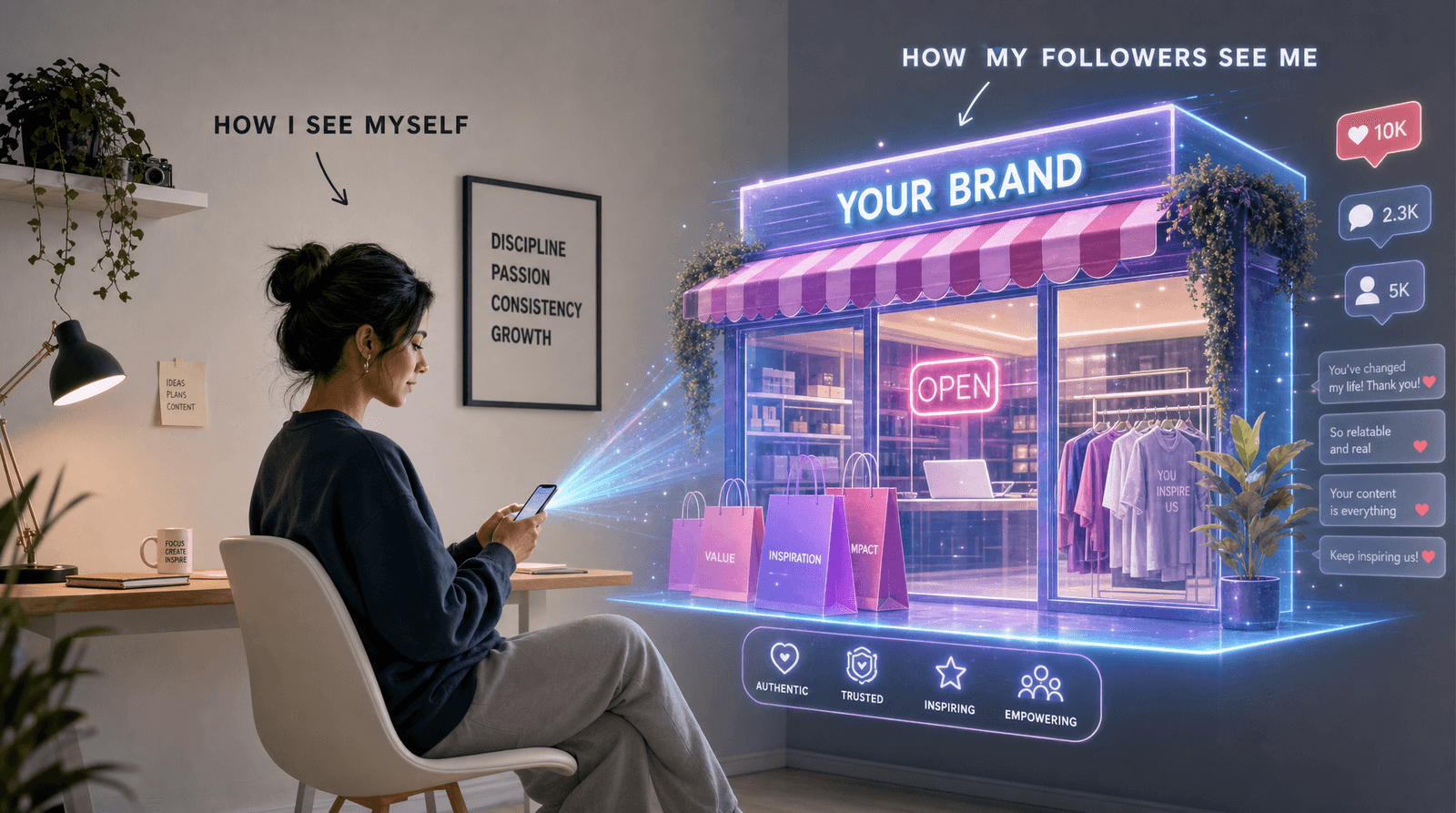
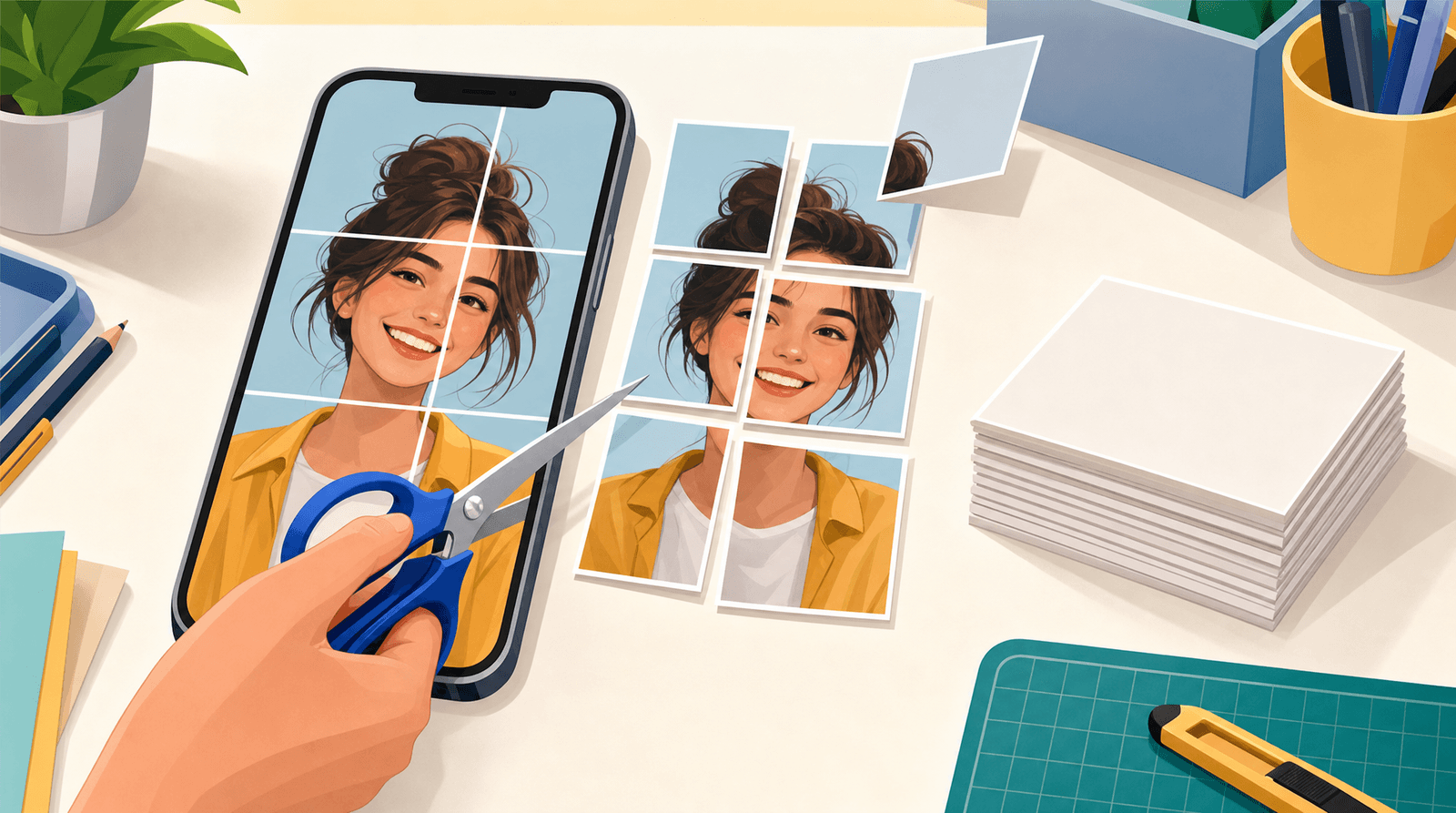
There's a moment that happens to almost every creator, freelancer, or side-project builder. Someone DMs you asking about your prices. Or a stranger tags a friend under your post and writes "you should hire them." Or somebody screenshots your work, shares it to their story, and casually calls it "this brand I found."
And you think: Wait. They think I'm a brand?
You're still calling it a hobby. You're still apologizing for promoting your own stuff. You're still using the phrase "just a little thing I'm working on." But the people on the other side of your content? They made up their minds about you a long time ago. To them, you're already a business. The only person who hasn't caught up is you.
This gap between how your audience sees you and how you see yourself is one of the most expensive blind spots in the creator economy. And it doesn't fix itself.
The Perception Gap Is Costing You Money
Think about the last time you found someone through social media. Maybe a photographer, a coach, a designer, a baker. You probably clicked their profile, scrolled a few posts, tapped the link in their bio, and within about 15 seconds you had a gut feeling: this is legit or this looks unfinished.
Your followers are doing the exact same thing with you. Every single day. They're arriving at your profile, scanning your bio, tapping your link, and making a snap judgment. And here's the kicker: most of them are already primed to buy, book, or subscribe. They clicked because they were interested. They were already leaning in.
But if what they find on the other side is a half-updated page, a broken link, or a bio that says "just a girl who likes making stuff," you've just introduced doubt into a moment that was full of intent. You didn't lose them because your product wasn't good enough. You lost them because your presentation told a different story than their expectation.
The research backs this up. First impressions of a digital presence form in under a second, and they're overwhelmingly driven by visual design and perceived professionalism. Not by follower count. Not by how long you've been doing this. By how finished it looks.
Nobody Gave You Permission. Good.
Here's the part that trips people up: most creators are waiting for some external signal before they "go pro." A follower milestone. A revenue number. A feature by someone bigger. A moment where they feel like they've earned the right to take themselves seriously.
That moment never comes. Or more accurately, it already came and you missed it. It came the first time someone you didn't know engaged with your content. The first time a stranger bought something. The first time someone sent your page to a friend.
The creators who end up thriving aren't the ones with the most talent or the biggest audience. They're the ones who decided to act like a business before it felt comfortable. They stopped hiding behind vague job titles and started describing what they actually do. They priced their work based on value, not on how awkward it felt to charge. They set up a real page with real structure, not a thrown-together list of links they haven't updated in six months.
Acting like a business isn't about being corporate or stiff. It's about taking your own work seriously enough to present it well. It's about making it easy for people to give you money, book your time, or join your world. Right now, today, with whatever audience you have.
If you've been waiting for permission to charge what you're worth, to build a real landing page, to treat your link in bio like a storefront: consider this your permission. Though honestly, you never needed it.
What "Acting Like a Business" Actually Looks Like
This isn't about incorporating an LLC or printing business cards. It's about a handful of tangible shifts that change how people experience you online.
Your Page Is Your Storefront
Your link-in-bio page is the single most visited page in your entire digital ecosystem. More than your website (if you even have one). More than any individual social post. It's the page people land on when they're actively looking for what you offer.
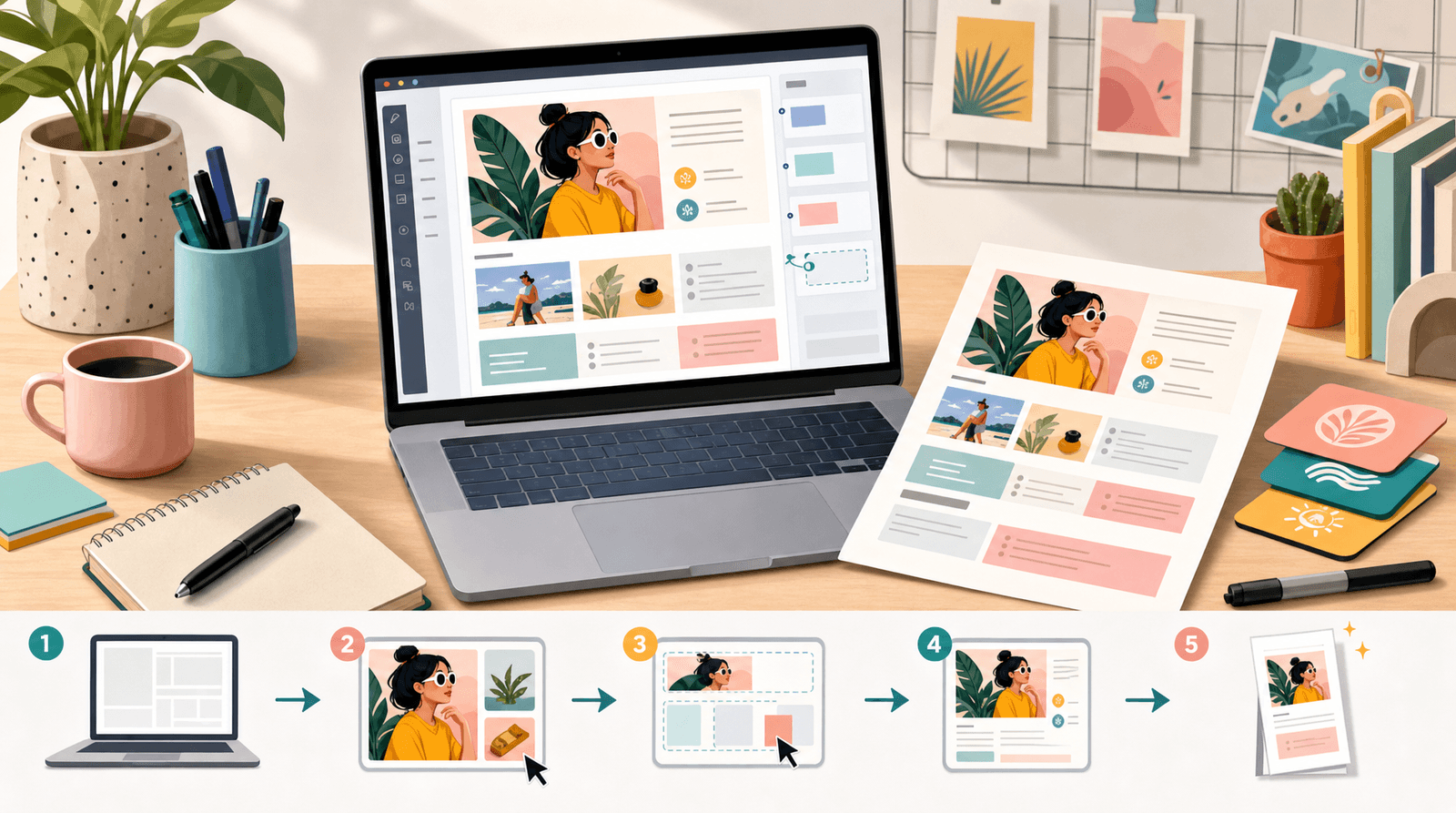
Treat it like a storefront, not a junk drawer. That means organizing your links into clear sections. It means putting your most important offer at the top, not buried under five other things. It means using Liinks to create a page that looks intentional, not accidental. If someone lands on your page and can't figure out what you do or how to work with you within three seconds, you've already lost the sale.
A good framework: your page should answer three questions instantly. What do you do? Why should I trust you? What should I do next?
Your Copy Speaks Like a Professional
There's a big difference between "hey, check out my stuff!" and "Book a free consultation" or "Download the pricing guide." The first sounds like someone who's embarrassed to be selling. The second sounds like someone who has something worth buying.
Go through every piece of text on your page: your bio, your button labels, your section headers. Ask yourself: would a business I respect write it this way? You don't need to sound corporate. You need to sound clear. Clear about what you offer, clear about who it's for, and clear about what happens when someone clicks.
Your Links Actually Go Somewhere
This sounds obvious, but the number of creators with broken links, outdated offers, or buttons that lead to a "coming soon" page is staggering. Every dead-end link is a trust fracture. Every outdated offer tells visitors that you're not paying attention.
Audit your links quarterly at minimum. If something isn't active, remove it. If you have an offer that's seasonal, swap it out. If you've monetized even a small audience, make sure the path from "interested" to "purchased" is frictionless.
The Compound Effect of Looking Ready
Here's what happens when you start presenting yourself as a business, even before you "feel" like one.
People share your page more confidently. When a follower recommends you to a friend, they're putting their own reputation on the line. If your page looks polished and professional, they feel good about sending people there. If it looks like a work in progress, they hesitate. They might still recommend you verbally, but they won't send the link.
Brands take you more seriously. If you're pursuing partnerships, sponsorships, or collaborations, your link-in-bio page is often the first thing a potential partner checks. A well-structured Liinks page with clear sections, a professional layout, and organized content does the work of a media kit before anyone even asks for one.
You take yourself more seriously. This is the one nobody talks about. When your online presence looks like a business, you start making decisions like a business owner. You price differently. You communicate differently. You stop saying yes to every free request. The external presentation reshapes the internal identity.
The "But I'm Not Big Enough" Objection
Let's address it directly: you don't need a big audience to deserve a professional presence. In fact, if you're small, it matters more.
When you have a million followers, people give you the benefit of the doubt. When you have 500, every touchpoint counts. Your page, your bio, your link structure, your response time: these things carry disproportionate weight when you don't have social proof doing the heavy lifting for you.
The creators who went from hobbyist to fully booked didn't wait until they had a big audience. They built the infrastructure first. They set up a proper page on Liinks, organized their offers, wrote clear CTAs, and showed up like someone who expected to be taken seriously. The audience grew because the foundation was already there.
Think of it this way: a restaurant doesn't wait until it's famous to clean the dining room. The clean dining room is part of why it becomes famous.
Three Things to Do This Week
If you've read this far and you're feeling that prickle of recognition, here are three things you can do right now that will shift the way people experience you online.
1. Rewrite your bio in the third person, then edit it back to first. This forces you to describe yourself the way an outsider would. It strips out the self-deprecating hedges and replaces them with clear, confident positioning. Then translate that clarity back into your own voice.
2. Audit your link-in-bio page as if you were a potential client seeing it for the first time. Open it on your phone. Set a timer for 10 seconds. Can you tell what this person does, what they offer, and how to take the next step? If not, restructure. Liinks makes it simple to organize your page into sections with clear headers and prioritized buttons.
3. Remove one thing. Find the link that's outdated, the offer that expired, the "coming soon" that's been sitting there for four months. Delete it. A page with five strong links beats a page with twelve mediocre ones. Always.
TL;DR
Your audience already sees you as a brand. They found you, they follow you, they've probably already recommended you to someone. The only person still treating your work like a hobby is you. That gap between their perception and yours is costing you trust, opportunities, and revenue. You don't need a bigger audience or a viral moment to start acting like a business. You need a clean page, clear copy, and the willingness to take yourself as seriously as your followers already do.
Ready to Look Like the Business You Already Are?
Liinks gives you a polished, professional link-in-bio page in minutes. Organize your offers, customize your design, and build the kind of presence that matches what your followers already believe about you. No code, no website builder, no excuses. Start free today.