Everyone's Building an Audience — Nobody's Building a Relationship


There's a question that nobody in the creator economy wants to answer honestly: How many of your followers would notice if you disappeared tomorrow?
Not unsubscribed. Not pivoted. Just... stopped. Went silent for three months. Would anyone send a DM asking if you were okay? Would anyone Google your name to see what happened?
For most creators and small businesses — even the ones with impressive numbers — the honest answer is brutal. Maybe five people. Maybe fewer. And that gap between audience size and actual connection is the single most underappreciated problem in digital marketing right now.
The Scale Trap
Somewhere along the way, the internet convinced everyone that the path to success was a funnel. Get eyeballs. Convert eyeballs into followers. Convert followers into customers. More eyeballs = more money. Simple math.
Except it's not simple math. It's a lie.
The funnel model treats people like throughput. It assumes a fixed conversion rate — if 2% of your audience buys, then 10x the audience means 10x the revenue. But that's only true if every follower is equally engaged, and they're not. Not even close.
A creator with 50,000 followers and no real relationship with any of them has a conversion rate that approaches zero on anything that requires trust. A paid course. A consulting call. A product recommendation. These things require the audience to believe, on some level, that you know what you're talking about and that you care whether it works for them.
You can't manufacture that belief with reach. You build it with relationship.
What "Relationship" Actually Means Online
Let's be specific, because "build relationships with your audience" is the kind of advice that sounds wise and means nothing.
A relationship, in the context of a creator or small business, means someone in your audience has a specific memory of interacting with you. Not watching your content — interacting. They asked a question and you answered it. They bought something and you followed up. They shared your work and you thanked them by name. They clicked through your link-in-bio page and found something that felt like it was put there for someone exactly like them.
That memory is what separates a follower from a fan, a subscriber from a customer, a casual viewer from someone who tells their friends about you unprompted. It's also the thing that every growth hack, algorithm trick, and viral strategy is structurally incapable of producing.
You can't scale a memory. But you can create the conditions for one.
The Metrics That Lie to You
Here's what makes this problem invisible: the metrics that most creators track are designed to measure broadcasting, not connection.
Follower count tells you how many people pressed a button once. It says nothing about whether they remember your name.
Impressions tell you how many times the algorithm showed your content to someone scrolling past. An impression is to a relationship what a billboard is to a friendship.
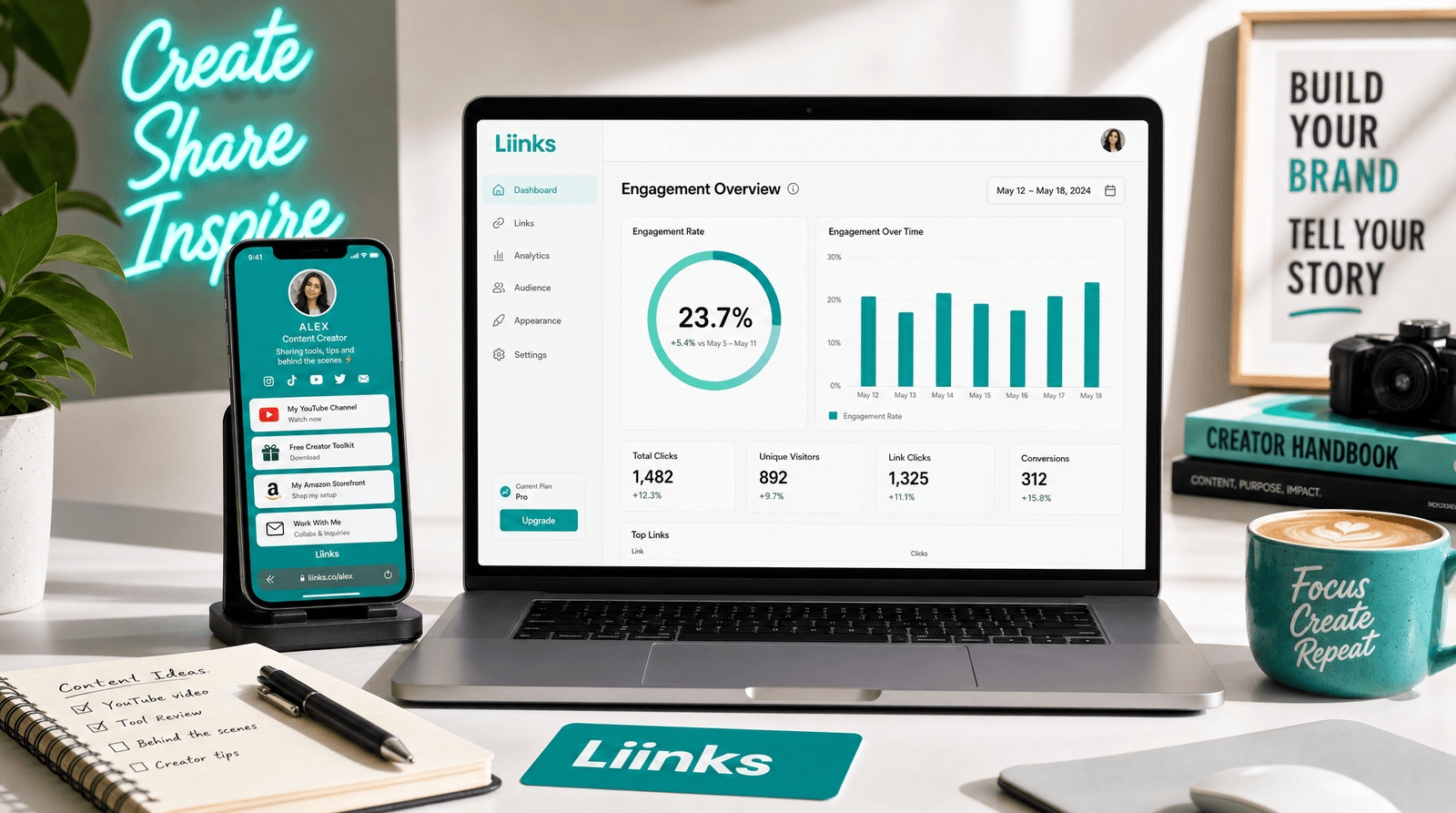
Engagement rate — likes, comments, shares — gets closer, but it's still a broadcast metric. Someone double-tapping a photo is not the same as someone trusting your recommendation enough to pull out a credit card.
The metrics that actually correlate with relationship are the ones nobody tracks:
- Reply rate: When you ask a question, how many people answer?
- Return rate: How many people visit your page more than once in a month?
- Referral specificity: When someone recommends you, do they say "check out this account" or do they say "you have to see the thing she wrote about X"?
- DM depth: Are people reaching out with real questions, or just emoji reacts?
These metrics are messy, qualitative, and hard to put on a dashboard. Which is exactly why most creators ignore them and chase follower count instead. It's easier to count something meaningless than to measure something that matters.
Why This Is Getting Worse, Not Better
Two forces are making the relationship gap wider every month.
First: AI content is flooding every platform. We've already passed the AI slop tipping point — more machine-generated content exists than human-created content on most major platforms. The result is that audiences are becoming numb to content itself. Another carousel, another thread, another reel — it all blurs together. The only thing that cuts through the noise isn't better content. It's recognizable humanity. A voice someone has heard before. A person they feel like they know.
Second: platforms are actively deprioritizing relationships. Every major social network has shifted from a follower-based feed to a recommendation-based feed. Instagram shows you content from strangers. TikTok always has. X is mostly algorithmic now. This means that even when someone follows you, they may never see your posts again. The platform has inserted itself between you and the people who chose to hear from you, and it's charging rent.
These two forces create a paradox: it has never been easier to get in front of new people, and it has never been harder to stay connected with the people who already care. The creators who understand this are quietly building something the algorithm can't take away.
The Relationship Stack
So what does it actually look like to prioritize relationships over audience size? It's not complicated, but it requires a fundamental shift in what you optimize for.
1. Make Your Landing Page a Conversation Starter, Not a Billboard
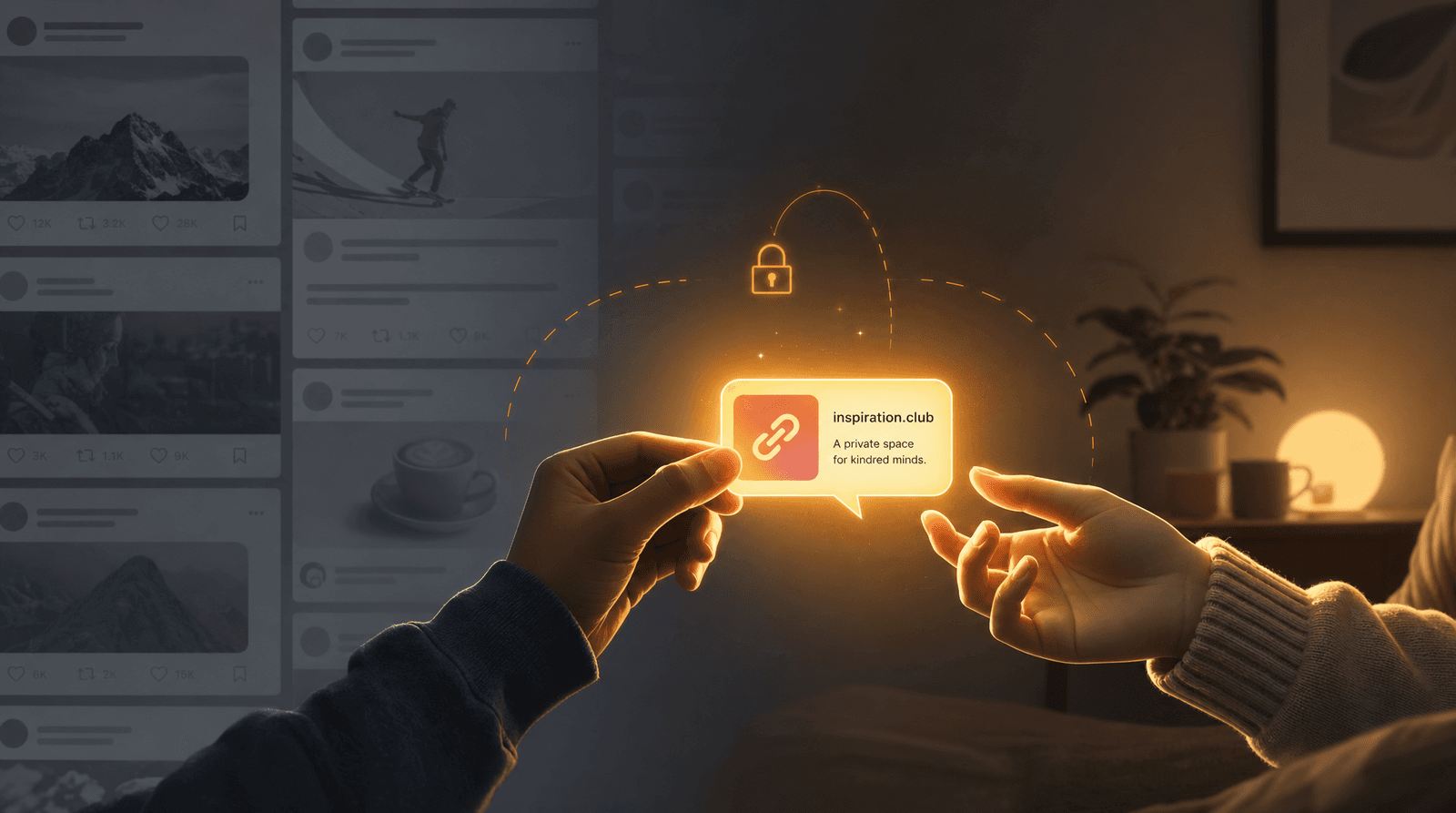
Most link-in-bio pages are just a list of links. Here's my YouTube. Here's my Instagram. Here's my merch. It's a directory, and directories don't build relationships.
The creators who get this right treat their Liinks page as the one place where they control the experience. They put a personal note at the top. They rotate featured content based on what their audience is asking about this week. They include a direct way to get in touch — not a generic contact form, but something that signals "I actually read these."
Your link-in-bio is the one page on the internet where the algorithm doesn't decide what people see. You do. Use it to start a conversation, not to list your resume.
2. Reply to People Like They're People
This sounds patronizing and obvious, but watch how most creators actually respond to their audience. Generic emoji. One-word replies. Copy-paste thank-yous. Or worse — nothing at all.
Every DM you answer thoughtfully, every comment you engage with beyond a heart react, every email you respond to with more than a template — that's a deposit in the relationship bank. And unlike follower count, relationship deposits compound. One genuine reply turns a lurker into a defender. One real conversation turns a customer into a referral source.
You don't need to reply to everyone. But you need to reply to someone, and you need to do it like a human being who's glad they reached out.
3. Create for the Room, Not the Stadium
The content that builds relationships is not the content that goes viral. It's the content that makes fifty people feel like you wrote it specifically for them.
This means getting more specific, not less. It means writing about problems your actual audience has told you they're dealing with — not problems you think the algorithm will reward you for addressing. It means referencing previous conversations, callbacks to things your community has said, inside language that makes regulars feel like insiders.
A newsletter that starts with "A few of you asked about this after last week's post" builds more trust than a perfectly optimized subject line ever will.
4. Measure the Right Things
Stop checking your follower count daily. Start tracking:
- How many real conversations you had this week
- How many people came back to your page without being prompted by a new post
- How many referrals came from people explaining specifically why they recommended you
- How many small-audience creators are actually making money — and what they're doing differently
The uncomfortable truth is that relationship metrics don't feel as good as vanity metrics. Seeing "47 real conversations this month" doesn't hit the same way as "10K new followers." But the 47 conversations will still be paying your rent in two years. The 10K followers might not remember your name by then.
The Creator Who Wins in 2026
The next twelve months are going to be brutal for creators who built on reach alone. AI content will keep making the feed noisier. Algorithms will keep deprioritizing organic reach. Platforms will keep inserting themselves between creators and their audiences.
But for creators who built real relationships — who have people in their DMs, in their inboxes, on their Liinks pages by choice and not by algorithm — the next twelve months are going to be the best of their careers. Because when everyone else is screaming louder into the void, the person who whispers directly to someone who's listening will always win.
The audience you can count is less valuable than the audience that counts on you.
TL;DR
- Most creators optimize for audience size when they should optimize for audience depth
- The metrics that matter (reply rate, return visits, referral specificity) are the ones nobody tracks
- AI flooding and algorithmic feeds are making the relationship gap wider every month
- Your link-in-bio page is the one place you control the experience — treat it like a conversation, not a billboard
- Relationship deposits compound: one real reply is worth more than a thousand impressions
- The creators who win in 2026 won't be the loudest — they'll be the most trusted
Start Building Relationships, Not Just Reach
Your Liinks page is the one corner of the internet where you decide what your audience sees — no algorithm, no feed ranking, no noise. Make it personal. Make it a place people come back to. And start treating every click as the beginning of a conversation, not the end of a funnel.