Creator Revenue Experiments: 7 Low-Lift Offers You Can Test This Month Using Only Your Liinks Page

You don’t need a course empire, a 47-email funnel, or a “team” (aka your cousin who once opened Canva) to start making money as a creator.
What you do need is:
- A clear idea or two your audience already loves
- A way to package that idea into something tiny but valuable
- A place to send people that doesn’t look like a 2013 settings menu
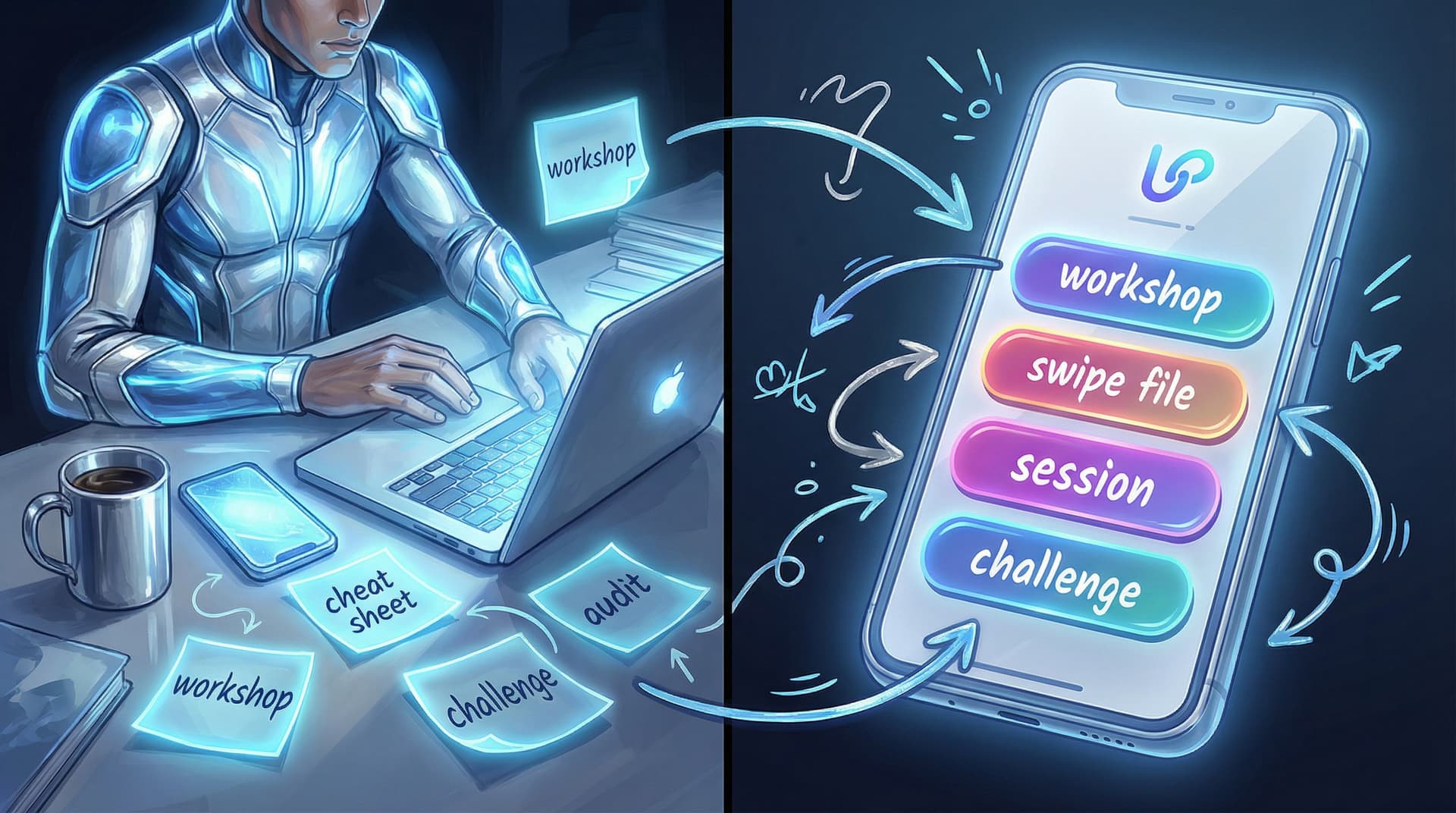
That last part is where Liinks quietly becomes your revenue lab. Instead of waiting until you’ve built a full-blown website, you can use your Liinks page as a low-pressure test kitchen for new offers—no big launch, no meltdown.
Let’s walk through seven low-lift offers you can spin up this month using only your Liinks page, plus how to plug them in so you’re not just “adding another button,” you’re actually learning what people will pay for.
Why These Tiny Experiments Matter for Your Wallet
The creator economy is huge and weirdly lopsided. Reports estimate the global creator economy at around $250B+ and growing, but a majority of creators still earn under $10K per year from their content.
Translation: most people are posting; far fewer are testing offers.
Creators who diversify income streams earn significantly more than those relying on a single source like ad revenue or brand deals. Many full-time creators now use 3–4 different revenue streams instead of just one.
The good news? You don’t have to invent all 3–4 at once. You can:
- Test one tiny offer at a time
- Run it through your Liinks page
- Keep what works, quietly retire what doesn’t
If you’ve read From Lurkers to Superfans: Using Micro-Offers on Your Liinks Page to Warm Up a Cold Audience, you already know small, low-friction offers are often the missing bridge between “I love your content” and “Here’s my card.” This post is the more tactical, “okay but what exactly do I sell?” sequel.
Ground Rules: How to Use Your Liinks Page Like a Test Lab
Before we dive into the seven offers, a quick setup so your experiments actually tell you something:
1. Pick one primary experiment at a time.
You can list multiple offers, but feature one:
- Put it in the top 1–2 spots on your Liinks page
- Give it a clear, benefit-driven title (e.g., “30-Minute TikTok Audit – Get 3 Fixes You Can Implement Tonight”)
- Mention it in your content for 1–2 weeks
2. Track clicks like a nosy scientist.
If you’ve seen The Aesthetic Data Nerd: Using Analytics to Design a Better-Looking (and Better-Performing) Liinks Page, you know the combo: pretty and measurable.
Watch:
- Clicks on your offer link
- Conversion (how many people actually buy/book/opt in)
- Which platforms send those clicks
3. Keep the friction low.
For every offer below, aim for:
- One scroll of explanation max
- One clear button
- One simple checkout or booking flow
If you can’t explain the offer in 2–3 sentences on your Liinks page, it’s not low-lift yet.
1. The One-Hour Live Workshop (Replay Included)
This is the “I don’t want to build a course, but I have a lot to say about this one topic” offer.
What it is:
A single, focused live session (on Zoom, Google Meet, or Loom Live) where you teach one outcome. You record it, then sell the replay via the same link.
Why it’s low-lift:
- No course platform required
- No fancy curriculum
- You can outline it in an afternoon
How to set it up using just your Liinks page:
- Create a simple checkout or registration link using tools like:
- Add a featured link on your Liinks page:
- Title: Live Workshop: Turn One Viral Post into 30 Days of Content
- Subtext: 60 minutes, replay included, $29
- After the live session, update the same link copy:
- Replay: Turn One Viral Post into 30 Days of Content (60-Minute Workshop)
What you’re testing:
- Will people pay you for depth, not just short-form content?
- Which topics make people say “shut up and take my money” vs. “cool, I’ll save this Reel and never watch it again”?
2. The “Cheat Sheet” or Swipe File
This is your brain, compressed into a single, juicy resource.
What it is:
A one-pager or short PDF that helps people do something faster:
- 50 hook templates for Reels
- A Notion board of content prompts
- A checklist for optimizing Instagram bios
- A pricing calculator spreadsheet
Why it’s low-lift:
- You probably already have half of it sitting in your Notes app
- Design can be minimal (Google Docs → PDF is fine)
How to set it up with Liinks:
- Host the file on:
- Gumroad (pay-what-you-want or low-ticket)
- Lemon Squeezy
- Even a simple Google Drive link if it’s free
- Add a link to your Liinks page:
- Title: Reel Hook Swipe File (50 Plug-and-Play Hooks)
- Subtext: Instant download – $9
- If you want to grow your email list, make it:
- Free with email using ConvertKit or MailerLite
What you’re testing:
- Which tiny problems your audience will pay to solve right now
- Whether they prefer templates, checklists, or scripts
This pairs nicely with the ideas in The Creator’s Offer Menu: Structuring Your Liinks Page So No Click Is a Dead End, where you organize your page so freebies and paid offers naturally lead into each other.
3. The “Pick My Brain” Power Session
Yes, you can charge for DMs—just in a way that respects both your time and your audience.
What it is:
A short, focused 20–45 minute session where someone gets your eyes on their specific situation:
- “Audit my last 10 TikToks and tell me what to fix”
- “Help me outline my first digital product”
- “Review my brand deck before I pitch this sponsor”
Why it’s low-lift:
- No long-term commitment
- No huge onboarding process
- You can batch them on one or two days a month
How to set it up with Liinks:
- Create a simple booking flow using:
- Connect payments directly through the booking tool or via Stripe/PayPal.
- Add a link to your Liinks page:
- Title: 30-Minute Strategy Session: Fix Your Content Funnel
- Subtext: One call, 3 clear action steps – $79
What you’re testing:
- What people actually want your help with (vs. what you think they want)
- Whether your audience prefers 1:1 time or DIY resources
Pro tip: after a few of these, you’ll start hearing the same questions. That’s your next workshop or cheat sheet topic.
4. The Tiny Paid Community or “Pop-Up” Group
You don’t have to build a forever community. You can build a 30-day one.
What it is:
A short-term, themed group experience:
- 30 days of Reels accountability
- A 4-week “launch with me” pod
- A month-long writing sprint for newsletter creators
Why it’s low-lift:
- Clear start and end date
- Limited scope = less pressure
- You can run it on platforms you already use (Discord, Circle, Slack, Geneva, or even a private Instagram broadcast channel plus email)
How to set it up with Liinks:
- Choose your platform (e.g., Circle, Discord, Geneva).
- Create a simple checkout for the 30-day access.
- Add a link to Liinks:
- Title: 30-Day Reels Sprint: Post Daily with Support
- Subtext: Accountability group + prompts – $39
What you’re testing:
- Are people hungry for community around your topic?
- Do they want more of you, or more of each other?
If this works, you can iterate into a recurring membership later—or keep running pop-ups with different themes.
5. The “Behind-the-Scenes” Content Pack
If people are constantly asking, “How did you make that?” this one’s for you.
What it is:
A small bundle of:
- Raw project files (Canva templates, Lightroom presets, CapCut templates)
- BTS breakdowns (screenshots, screen recordings, process notes)
- A short Loom walkthrough of your workflow
Why it’s low-lift:
- You’re already doing the work; you’re just documenting it
- Loom + a zipped folder is enough to ship this
How to set it up with Liinks:
- Record a 10–20 minute Loom walking through your process.
- Bundle your files into a folder hosted on:
- Add a link:
- Title: BTS Content Pack: How I Edit Viral Reels in 20 Minutes
- Subtext: Loom + templates + checklist – $25
What you’re testing:
- Do people want to copy your aesthetic, your process, or your strategy?
- Which format they like best (video walkthrough vs. templates vs. written SOPs)
6. The “Micro-Challenge” with a Tiny Ticket Price
Challenges are great for engagement. Micro-challenges are great for your Stripe account.
What it is:
A 3–7 day focused challenge with a clear outcome:
- “Post 3 Reels in 3 Days”
- “Write Your First Sales Page in a Week”
- “Pitch 5 Brands in 5 Days”
You deliver prompts via email, a private Instagram broadcast channel, or a simple landing page.
Why it’s low-lift:
- Short timeline
- Repeatable structure
- Content can be reused later as a course or evergreen product
How to set it up with Liinks:
- Build a basic checkout + email automation using:
- ConvertKit Commerce
- Podia
- Kajabi Mini-Offer (if you’re already there)
- Add a link:
- Title: 5-Day Pitch Challenge: Land Your First Brand Deal
- Subtext: Daily prompts + templates – $19
- After the live round, turn it evergreen and keep the same Liinks button.
What you’re testing:
- Which outcomes are urgent enough that people will pay for a short, intense push
- How price-sensitive your audience is on small, time-bound offers
7. The “First Step” Service (aka a Paid Audit)
If you sell services (design, coaching, strategy, editing), this is your low-commitment, high-signal entry offer.
What it is:
A one-off audit or teardown that leads naturally into your higher-ticket services:
- Instagram profile + content audit
- Website or Liinks page teardown
- Brand pitch deck review
You deliver a report or Loom video with recommendations.
Why it’s low-lift:
- You’re already doing this in your head when you scroll
- It’s scoped and repeatable
- It doubles as lead qualification for bigger offers
How to set it up with Liinks:
- Create a short intake form with:
- Connect payment (either on the form or via a simple checkout link).
- Add a link on your Liinks page:
- Title: Instagram Deep-Dive Audit (Video Report)
- Subtext: You get a 20–30 min Loom with specific fixes – $149
What you’re testing:
- Which audience segments are willing to invest more
- What problems are big enough that people want you to “just look at it for me”
If this resonates, you’ll love From Clicks to Clients: Mapping a Simple Service-Based Funnel Using Only Your Liinks Page, which zooms out and shows how these audits can sit at the top of your entire client funnel.
How to Plug These Offers into Your Liinks Page (Without Chaos)
You now have seven options. Please do not panic and try all seven this weekend.
Instead, think in seasons:
- Month 1: Test a cheat sheet vs. a workshop
- Month 2: Test a power session vs. a paid audit
- Month 3: Test a micro-challenge vs. a tiny community
A simple way to structure your Liinks page while you experiment:
-
Top Section: The Main Experiment
- 1–2 buttons only
- Clear, benefit-forward copy
- Example: NEW: 5-Day Pitch Challenge – Land Your First Brand Deal ($19)
-
Middle Section: Always-On Free Value
- Your best freebie or top content hub
- Example: Free: Creator Offer Idea Generator (Notion Template)
-
Bottom Section: “Work With Me” Staples
- Power session
- Audit
- Contact / brand partnerships page
If you want a visual layout blueprint, pair this with The ‘One Scroll’ Strategy: Designing a Liinks Page That Sells Before Anyone Ever Clicks. That post shows you how to make your Liinks page feel like a mini sales page instead of a random list of buttons.
Measuring Whether Your Experiment Worked (No Spreadsheet PhD Required)
Give each experiment at least 1–2 weeks of honest promotion.
Then check your Liinks analytics and ask:
- Did people click?
- If clicks are low but your content is getting views, your positioning or button copy might be off.
- Did people buy/book?
- If clicks are solid but sales are low, your offer or checkout page needs work.
- Did people finish or show up?
- For workshops, challenges, and communities, look at attendance and engagement.
A simple rule of thumb:
- Keep + improve offers that get both clicks and conversions
- Reposition offers that get clicks but few conversions
- Retire or radically change offers that get neither
You’re not failing; you’re collecting data on what your particular corner of the internet actually wants.
Quick Recap
You can start monetizing—and learning—with tiny, low-pressure offers powered entirely by your Liinks page.
Seven ideas to test this month:
- One-hour live workshop + replay
- Cheat sheet or swipe file
- “Pick my brain” power session
- Tiny paid community or pop-up group
- Behind-the-scenes content pack
- Micro-challenge with a small ticket price
- “First step” service or paid audit
Layer them onto a simple Liinks structure, watch the clicks, and let the data (not your anxiety) tell you what to build next.
Your Next Step (Yes, This Week)
Don’t bookmark this and walk away. Pick one of these:
- If you’re a talker: draft a 60-minute workshop and add a “Coming Soon” button to your Liinks page.
- If you’re a documenter: turn your existing notes into a one-page cheat sheet and set it to $9.
- If you’re a service provider: create a simple audit offer and add a booking link.
Then:
- Move that offer to the top of your Liinks page.
- Mention it in your next 3–5 posts or stories.
- Check your Liinks analytics in two weeks and see what happened.
Your creator business doesn’t level up because of one huge launch. It grows because you keep running small, smart experiments—and your Liinks page is the easiest place to start.