AI Made Everyone Sound Good. That's the Problem.


Read five captions in a row from five different creators in five different niches, and see if you can tell who wrote what.
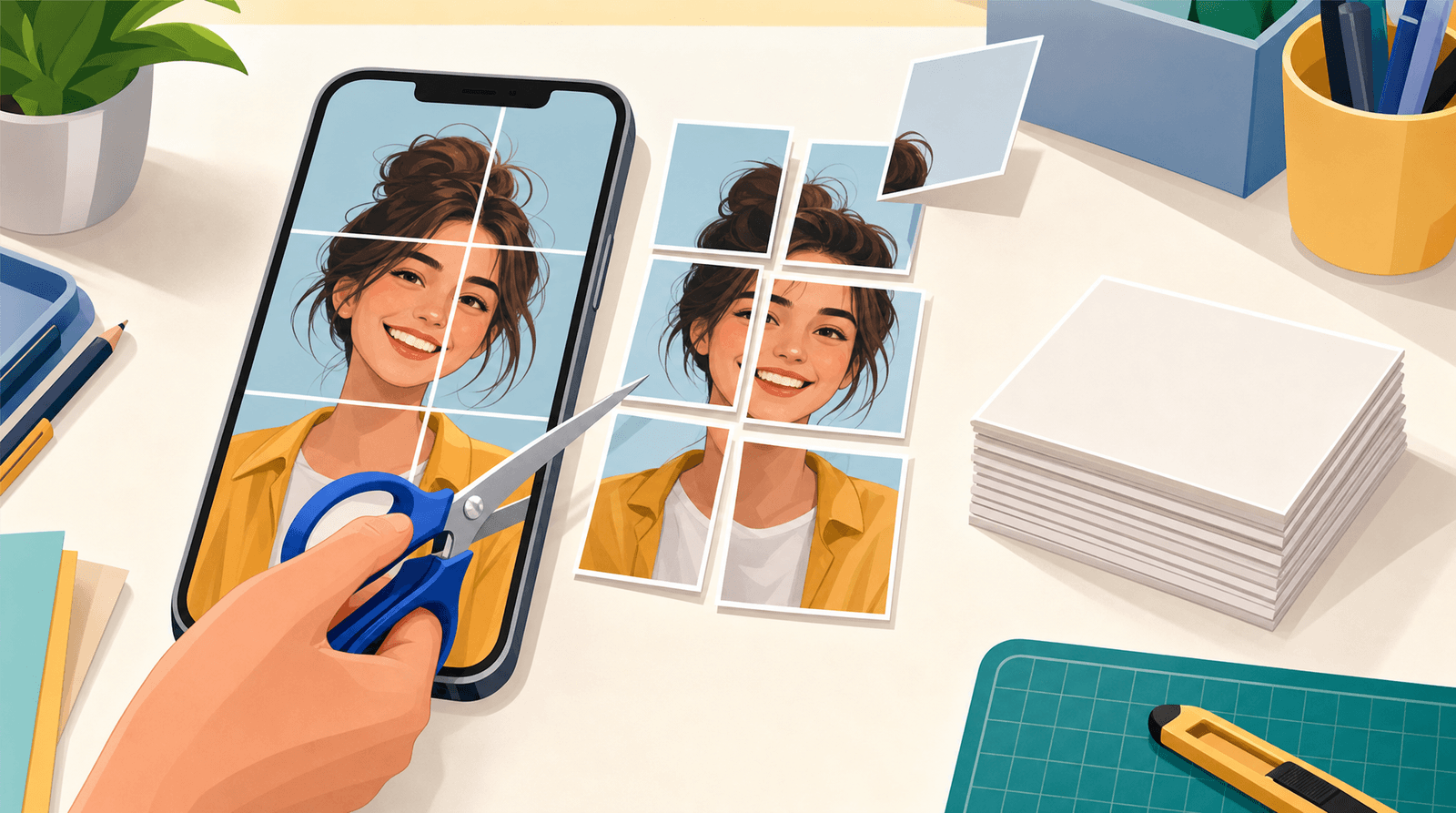
You probably can't. There's the hook line that ends in a colon. The three short punchy fragments. The "here's what nobody tells you about" opener. The em-dash that shows up in every third sentence. The tidy takeaway. The gentle call to action that sounds like a customer service email wearing a leather jacket.
None of it is bad. That's the whole problem. It's all competent, all readable, all fine, and completely interchangeable. The internet got fluent, and in getting fluent it got boring.
Competence used to be the moat
For most of the last decade, the gap between amateur and professional online was enormous and obvious. Good copy took practice. Clean design took either money or years. A decent headshot, a coherent brand, a page that didn't look like it was built in 2009: those things separated people who were serious from people who were dabbling.
That gap is gone. Not narrowing, gone. Anyone with a free AI tool can produce a caption that reads like it was written by someone with a marketing degree, a bio that hits every persuasion beat, a logo that looks like a Series A startup, and a color palette that would have cost four figures three years ago. The floor came up so fast that the floor is now roughly where the ceiling used to be.
This is genuinely good news for the person who was previously locked out. It is terrible news for anyone whose entire advantage was being more polished than the competition.
Because when everyone clears the same bar, the bar stops meaning anything. Polish is now table stakes. It gets you taken seriously; it does not get you remembered. And the second half of that sentence is the part almost nobody has adjusted to.
Here's the mechanic that makes it worse: these tools work by predicting the most likely next word. The most likely next word is, by definition, the most average one. Every person using them is being nudged toward the same statistical middle from a different starting point. Run that at internet scale for a couple of years and you get exactly what we have now: millions of individually decent posts converging on one shared voice that belongs to nobody.
What people are actually filtering for now
When everything reads well, readers stop using quality as a filter and start using something else. Watch how people behave and you can see the new filters forming.
Specificity. A generic claim now reads as a non-claim. "I help creators grow their audience" is a sentence a machine could produce about anyone, so people's eyes slide right off it. "I've spent four years helping ceramicists sell their seconds without discounting their firsts" cannot be produced without the underlying experience. Specificity is expensive to fake, which is exactly why it's becoming the trust signal.
Evidence. Numbers, screenshots, receipts, dates, names, actual outcomes. Not because people are more skeptical than they used to be, but because evidence is the one thing a fluent paragraph cannot manufacture on its own. A single real screenshot of a real result outperforms a thousand words of confident prose.
Weirdness. The unpolished aside, the strong opinion, the joke that only lands for your niche, the thing you refuse to do that everyone else does. Personality now functions as proof of life. It's the online equivalent of a handwritten note in a stack of form letters.
Consistency over time. Anyone can produce one great-sounding page today. Very few people show up in the same voice for two years. Longevity is becoming a credential, which is quietly good news for anyone who's been at this a while.
Notice what all four have in common: they're the parts of your presence that come from having actually lived through something. They're not writing problems. They're not going to be solved by better prompts, because the input is the thing that's scarce, not the phrasing.
Your link in bio is where sameness is most obvious and most fixable
Here's the part that matters for anyone building a presence online, and it's a little uncomfortable.
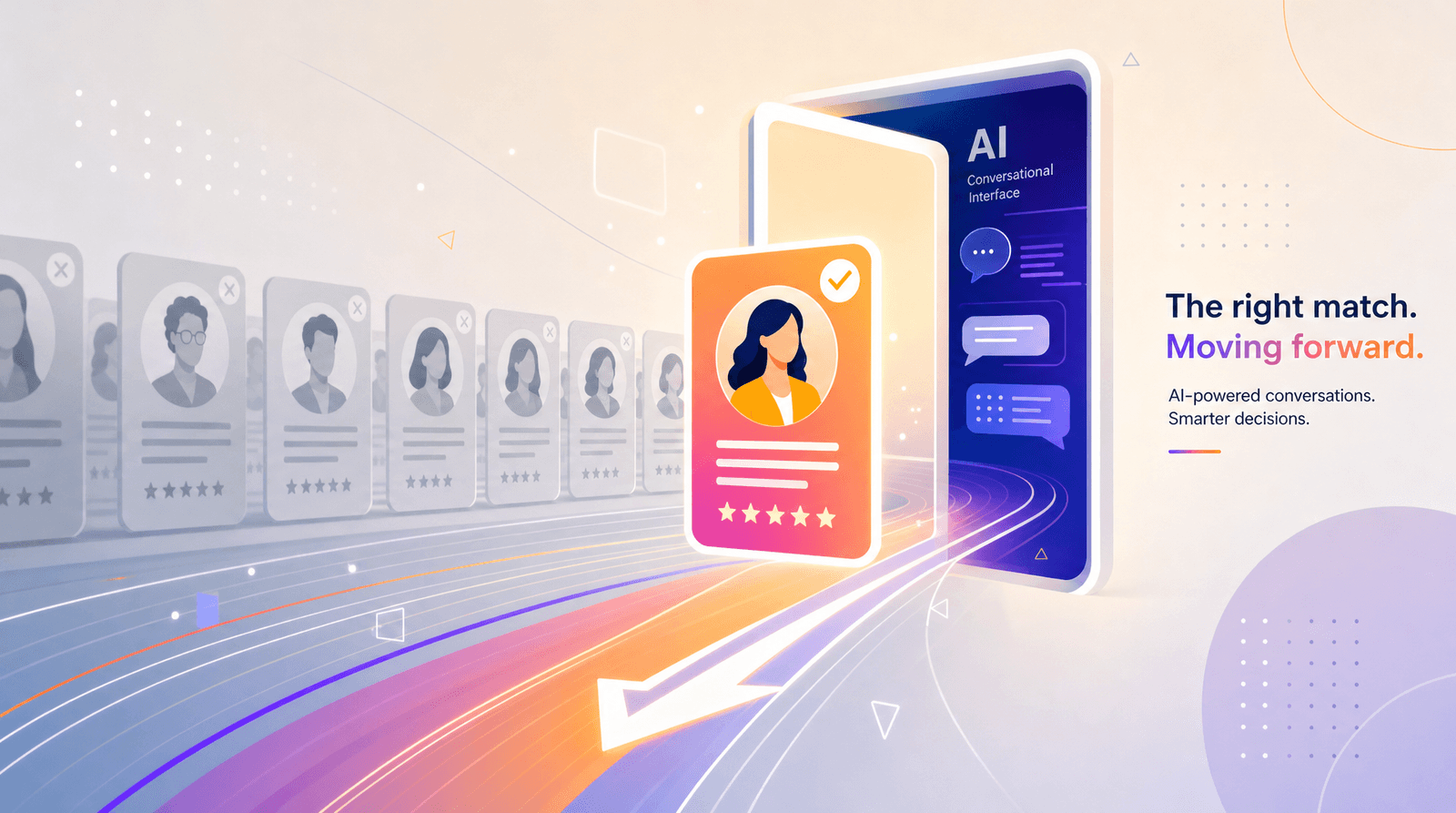
Your social posts get judged in a scroll, in half a second, next to everything else in the feed. Your link in bio gets judged in a different mode entirely. Someone has already decided you're interesting enough to tap. They are now looking directly at you, on purpose, with nothing else on screen. That's the highest-intent attention you will ever get, and it's the one surface where being generic costs you the most.
It's also, right now, the most templated surface on the internet. Same stacked rectangles. Same order: Instagram, TikTok, YouTube, Shop. Same auto-generated one-liner about "creating content that inspires." Same everything, in a place where you have complete control and no algorithm telling you what to do.
That's the opportunity. The feed constrains you. Your page doesn't. It's one of the last spaces online where you get to make every decision, which means it's the easiest place to stop sounding like everyone else. A few things that actually move the needle:
Rewrite your bio line so it could only be about you. Take whatever's there now and ask whether a competitor in your niche could paste it onto their page without changing a word. If they could, it's not a bio, it's a category label. Swap the adjectives for facts. Where you're based, what you specifically make, who you specifically help, how long you've been doing it, the odd detail that sticks. On Liinks, that top block is prime real estate: use it to say something true and narrow instead of something broad and safe.
Order your page by what you actually want, not by platform convention. Most pages are ranked by habit: social icons first because that's what everyone does. But your page should open with the thing you'd be most upset to see someone miss. If the newsletter is the business, the newsletter goes first, big, with a reason to join written in your own words. Sections, button hierarchy, and layout control exist so your priorities can look different from everyone else's, and different is the point.
Put proof above the fold. A press mention, a real testimonial with a real name, a photo of the work in progress, a number you're proud of. This is the fastest way to signal that there's a person and a track record behind the page. It's the thing a template can't give you and a generator can't invent.
Let it look like you. Custom fonts, your own background, your actual photos rather than stock, colors that came from something real. Design is where sameness announces itself fastest. A page that looks intentionally chosen tells a visitor a real person spent time here, before they read a single word. Liinks gives you deep control over type, color, backgrounds, and sections precisely so your page can carry a fingerprint instead of a default.
This is not an argument against using AI
I want to be careful here, because "AI content bad" is itself a lazy take that has been produced by a million interchangeable posts this year.
These tools are genuinely useful. They're excellent at drafts, at variations, at the boring middle 60% of any writing task, at unsticking you when you're staring at an empty box. Using them to get from nothing to something is fine. We've written about drafting on-brand copy and layouts with ChatGPT and we stand by it.
The failure mode isn't using the tool. It's shipping the first thing it gives you.
The first draft is always the statistical middle, because that's what the machine is built to produce. It's the average of everyone who has ever written about your topic. If you ship that, you've published the consensus with your name on it. The work is what happens after: cutting the phrases that sound like everyone, replacing the generic examples with your own, adding the detail only you know, deleting the line that sounds smart but means nothing, and putting back the part where you sound like a person with opinions.
A useful test before anything goes live: could someone else in my niche have published this exact thing? If yes, keep editing. If no, ship it.
The same test applies to your page. Could a competitor screenshot your link in bio, swap the name, and use it? If the honest answer is yes, you've built a template, not a presence.
The strange upside for small accounts
There's a real advantage buried in all of this, and it belongs disproportionately to people without a team.
Big brands are the ones most drawn to the statistical middle. They have approval chains, brand guidelines, legal review, and a strong institutional preference for the safest possible phrasing. AI tools push them further toward the middle, because the middle is defensible in a meeting. Their content is getting more polished and less distinguishable at the same time.
You don't have that constraint. You can have a specific opinion, name the thing you don't do, be funny in a way that alienates the wrong people, publish the messy behind-the-scenes photo, and change your mind in public. None of that survives a committee, and all of it is now a differentiator rather than a liability.
This is the same shift we wrote about when discovery moved into private group chats and when people started asking AI assistants about you instead of Googling you: the mechanics of attention keep changing, but the underlying answer keeps landing in the same place. Be specific enough that you're worth mentioning by name, and make sure the page they land on backs it up.
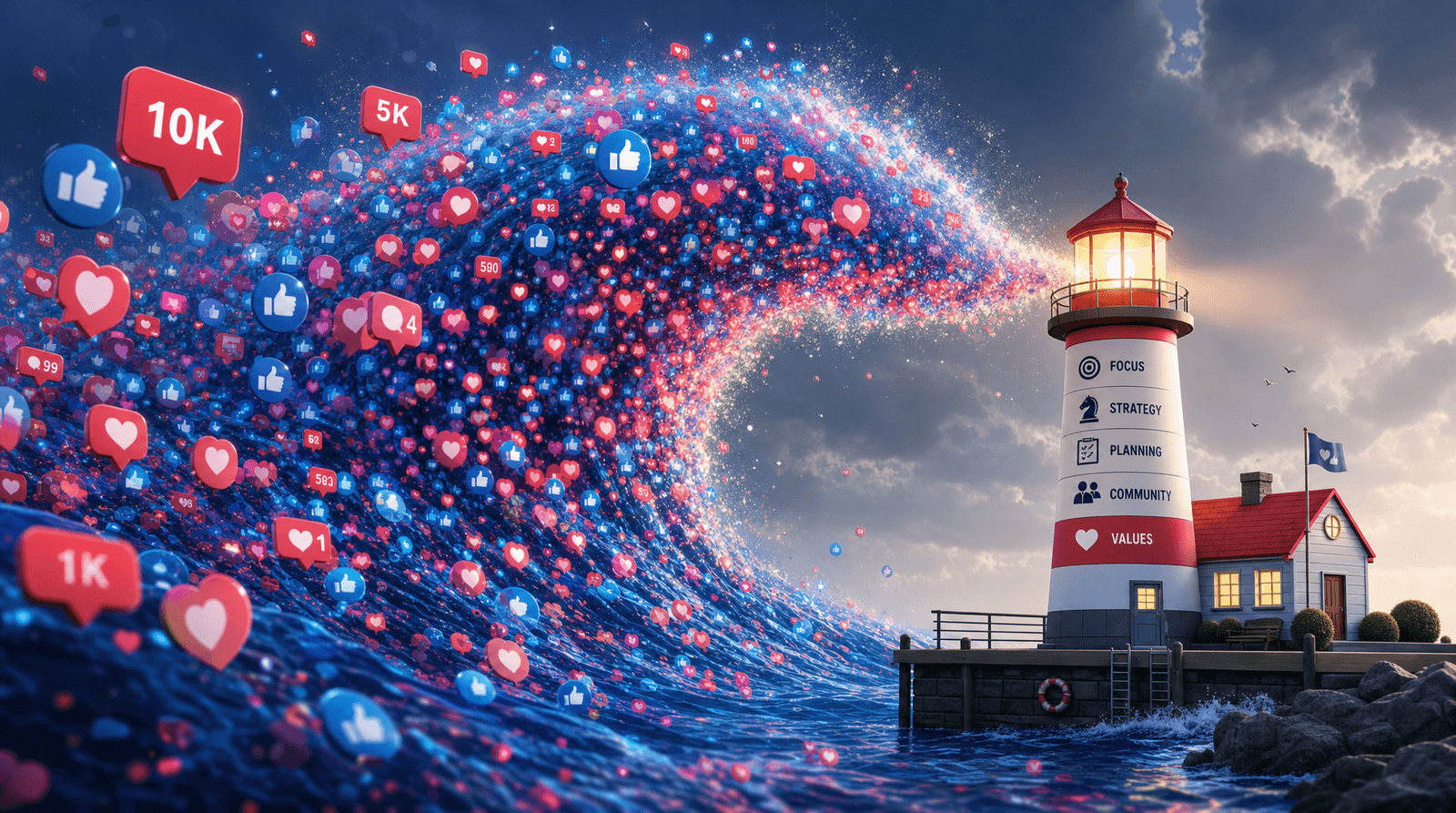
Attention is not scarce because there's too little good content. It's scarce because there's too much adequate content. Adequate is now free and infinite. Distinctive is not.
TL;DR
- AI tools raised the floor on writing and design so fast that polish no longer signals effort or seriousness. Everyone sounds competent now, so competent stopped being a differentiator.
- These tools optimize toward the most probable phrasing, which means millions of people are being pulled toward one shared, average voice.
- Readers have shifted to new filters: specificity, evidence, personality, and consistency over time. All four require having actually done something, which is why they can't be generated.
- Your link in bio is the most templated surface online and the one with the highest-intent attention, which makes it the highest-leverage place to stop blending in.
- Concretely: write a bio line only you could write, order the page by your actual priorities rather than platform convention, put real proof near the top, and let the design carry your fingerprint.
- Use AI for drafts. Just don't ship the draft. Ask whether a competitor could publish the exact same thing, and keep editing until the answer is no.
Make your page sound like a person
The tools aren't going anywhere, and the flood of fluent, forgettable content is only going to get deeper. The counter-move isn't working harder on polish. It's being specific in ways nobody can copy, and giving that specificity somewhere to live.
Liinks is built for exactly that: full control over layout, sections, typography, backgrounds, and button hierarchy, plus analytics that show you which of your choices are actually landing. It's your page, not a template with your name pasted on top.
Start building yours for free and see how it feels to have a corner of the internet that could only be yours.